用广东话形容好兴奋
岭南大雪 年代:【宋】 作者:【区仕衡】 海冻珊瑚万里沙,炎方六出尽成花.洛阳纵有行春令,谁问袁安处士家 春日岭南 年代:【宋】 作者:【孙正平】 窗前修竹霭如云,巧语春禽只听闻.睡起蒲团趺坐稳,惟将茗椀对炉薰.客居岭南 年代:【宋】 作者:【张子龙】 天风吹白波,归客欲如何.炎国逢花早,春船载雨过.畏蛇焚瘿木,防蛊种衰荷.洞口商人妇,时时送夜歌.庚午腊中苦寒不雪不雪岭南之常而苦寒为希有 年代:【宋】 作者:【郑刚中】 檐风动修竹,终夜玉相戛.晓望山头松,孤瘦冻欲折.欣然发茅亭,准拟看飞雪.待之既逾时,脚硬冷如铁.青山全不老,暮雨空凄绝.岂非地气偏,湿浊旧不泄.剪水下云来,祗向虚空歇.今年腊中寒,万口称凛冽.此是雪先声,荡洗岭南热.蜒叟且莫惊,造化无差别.会须烟瘴林,都有琪花结.草色润如酥,看取焦枯活.岭南鞭春 年代:【宋】 作者:【范端臣】 一辞湖上月,三见岭南春.怪鸟呼如鬼,痴猿立似人.蛮商通海舶,渔户杂江滨.尚有鞭牛扑,纷拿起路尘.岭南道中 年代:【唐】 作者:【曹松】 百花成实未成归,未必归心与志违.但有壶觞资逸咏,尽交风景入清机.半川阴雾藏高木,一道晴霓杂落晖.游子马前芳草合,鹧鸪啼歇又南飞.岭南荔枝不可寄远龙眼新熟辄以五日颗奉晦叔 年代:【宋】 作者:【张栻】 荔子如今尚典刑,秋林圆实著嘉名.虽无赪玉南风面,却耐筠笼千里行.谪岭南道中作 年代:【唐】 作者:【李德裕】 岭水争分路转迷,桄榔椰叶暗蛮溪.愁冲毒雾逢蛇草,畏落沙虫避燕泥.五月畲田收火米,三更津吏报潮鸡.不堪肠断思乡处,红槿花中越鸟啼.送人游岭南 年代:【唐】 作者:【戴叔伦】 少别华阳万里游,近南风景不曾秋.红芳绿笋是行路,纵有啼猿听却幽.岭南江行 年代:【唐】 作者:【柳宗元】 瘴江南去入云烟,望尽黄茆是海边.山腹雨晴添象迹,潭心日暖长蛟涎.射工巧伺游人影,飓母偏惊旅客船.从此忧来非一事,岂容华发待流年.送周愿判官归岭南 年代:【唐】 作者:【姚系】 早蝉望秋鸣,夜琴怨离声.眇然多异感,值子江山行.由来重义人,感激事纵横.往复念遐阻,淹留慕平生.晨奔九衢饯,暮始万里程.山驿风月榭,海门烟霞城.易绡泉源近,拾翠沙溆明.兰蕙一为赠,贫交空复情.当然最出名的句子还是“日啖荔枝三百颗,不辞长作岭南人.” 苏轼的原句是“日啖荔枝三百颗,不妨长作岭南人.” 惠州一绝 苏轼 罗浮山下四时春,卢橘黄梅次第新.日啖荔枝三百颗,不妨长作岭南人.
形容“热”,广东话是怎么说的
放鸡岛(原名湾舟岛,又名汾洲岛)位于东南14.5公里。
原名汾洲山,又称湾舟山。
岛上最高点高122米。
面积1.9平方公里,是茂名市最大的海岛。
放鸡岛呈橄榄形,东北、西南走向长2公里,最宽为0.91公里,最窄为0.10公里,岸线长5.96公里,最高顶端海拔135米(东北部),面积1.9平方公里,是茂名市23个岛屿中最大的海岛。
海岛地段可分为四个类型:侵蚀剥蚀低丘陵、海积阶地、沙滩、岩滩。
由于长期受海蚀作用,基岩裸露,海蚀崖、海蚀糟沟,海蚀洞穴随处可见。
山坡怪石兀立,植被茂盛,景色秀丽。
西北部海岸,沙质洁白松散,北部沿岸海域水深1.3米至2.0米,东南部沿岸海域水深2.6米至10米,海水清澈见底,透明度可达8米。
放鸡岛景区计划投资10亿元人民币,按标准建设,把放鸡岛建成生态岛、科普岛、度假休闲岛。
岛上旅游服务配套设施齐全,分布合理,别具一格。
放鸡岛自然风光秀丽,天然景物奇异多姿,山清水秀,林密石奇,有山的雄伟,贝壳舞台又有海的壮观,它是集:奇、壮、古、秀、阔、幽、乐为一体的旅游景区。
度假区规划面积3.6平方公里,其中核心区面积1.2平方公里。
是全省首批省级旅游度假区,国家AAAA级旅游区,有“”之称。
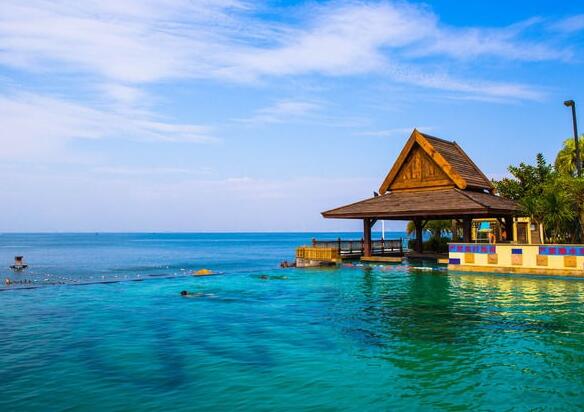
度假区内有12公里长,沙质洁白细软、宽阔平缓的沙滩,沿沙滩外侧是连续不断宽达800—1000米的沿海防护林带。
这条防护林带,于上世纪六十年代营造,是我国第一条人工营造成功的沿海防护林带,具有极高的声誉。
我国著名的画家的名作就取材于此。
蓝天白云下,绿树与银滩共伴,为国内少见。
度假区曾举办过多届世界和全国女子沙滩排球赛,在国内外享有较高的声誉,社会形象良好。
度假区形成了海滨浴场区、海上运动区、海滨度假区和中心广场区四个功能区,开发了海水浴、日光浴、海上运动、沙滩排球、度假疗养等旅游项目。
2011年,更是利用第一滩附近国内海岸动力气流最好的山坡——晏镜岭及有天然海滨机场美称的第一滩海滩,开发出了高空运动项目——飞机及山坡滑翔伞。
在沙滩与防护林带之间更有一条长达10公里的。
2011年后旅游区的接待设施日臻完善,年接待游客超80万人次,曾先后被评为“卫生优良景区”、“为广东旅游争光先进单位”、“广东休闲好去处”等。
给一些广东高考口语的常用句型啊 明天就要考口语了 好答案再加100分
高考英语作文常用句型及短语 1、学校生活及学习成绩 (课程、兴趣、成绩、分数……) Be getting on well with one’s study take several courses at school have English (Chinese, Physics…) every (other )day work hard at … put one’s heart into… be interested in … be fond of like chemistry best be good at …; be poor at …; do well in …; be weak in … make progress in …; fail in …; be tired of …; pass the examination; give sb. a passing grade; major in history 主修历史 He has the best record in school. 他的成绩最棒。
get a doctor’s degree 获得博士学位 be more interesting to sb. learn about; succeed in…; be active in class (work); take an active part in …; learn… by heart; work out a (maths) problem; improve oneself in …; get 90 marks for (English); get an “A” in the exam; have a good command of… lay a good foundation in (language study) 2、师生关系 (相处、严厉、温和、奖励……) get on well with sb; like to be with students; be gentle with us; be kind to sb; be a strict teacher; be strict with one’s pupils; be strict in work We think of him (her) as …; help sb with sth; praise sb for sth …; blame sb for sth.. give advice on …; question sb on … be satisfied with … correct the students’ homework carefully and prepare for the next day; give sb a lot of work; try to teach sb good study habits; make one’s lessons lively and interesting; teach sb. sth.; teach sb to do sth. devote all one’s time to work; admire (sb. for) his devotion to the cause of education 佩服他对于教育事业的献身精神。
3、课余生活及周末活动 (享受、放松、周末生活……) spend one’s time in many different ways; enjoy doing things by oneself; go swimming; go for an outing; have an outing at (the seashore); see the sights of Beijing; play the piano (violin); play chess (basketball); have a swim; have dances on weekends; have a picnic over the weekend; go to the cinema; 177 have a party; hold a sports meeting; do some reading; help sb do sth; enjoy a family trip; get everything ready for; ride one’s bike with sb. to ( 2000 the park); There are a lot of activities at (the beach). We enjoy a change from our busy life in the city. She would like to bring sth. to the picnic. It was a very relaxing Sunday. There are good programmes on TV on weekends. 4、彼此沟通信息 (接收信息、听说、感谢……) take a message for sb; send a message to sb; hear from sb; talk about\\\/of sth; tell sb to do sth; get information about…; express one’s idea (feelings) in English; Write sb a letter saying…; apologize to sb for …; thank you for …; make a speech t at the meeting; explain sth to sb. ; look upon sb. as …; think sb to be …; take sb’s side 5、事件中人的态度 (喜欢做、号召、允许……) would like to do; allow sb to do; keep sb from doing (prevent sb. from doing); call on sb to do; be afraid to do (be afraid of …); feel like doing; insist on doing; drive sb. off; speak highly of sb; speak ill of sb; think highly of sb; force sb to do; offer to do; refuse to do; agree to do; regret doing; prefer to do A rather than do B; had better do; would rather (not) do. 6、事情过程 (习惯、有困难、努力……) have the habit of doing…; have no trouble doing; make up one’s mind to do; prepare sb for …; give up doing…; do sth as usual; do what he wants us to do; set about doing; try one’s best to do…=go all out to do; get into trouble; help sb out; do one’s bit for New China; wait for sb to do; find a way to do; make friends with sb; show (tell) sb. how to do…; take (send) sb to …; I’m trying to find…; I’m afraid we are out of …; pass the time doing; feel a little excited about doing…; can’t help doing…; do some good deeds to people; be prepared for more hard work; Some are doing A, others are doing B, and still others are doing C. 7、感观活动与思维活动 (看一看、听一听、注意到……) look around for …; look up (down) at …; catch sight of …; take a look at …; hear sb do (doing); take notice of …; take view of …; have a good understanding of …; consider sb (sth) to be …; come to know…; realize that …; know that +从句 8、情感与欲望 (高兴、担心、生气……) be pleased with …; be delighted in doing…; take a pleasure in doing; be worried about; feel surprised at … be sorry for …; be angry with sb for sth; be angry about …(为某事生气); look forward to doing …; wish to do; expect to do; long for (long to do); be sick for one’s home; have a strong desire to do …; 9、健康状况及治疗 (生病、感冒、恢复……) be in good shape; be in good (poor )health; feel weak (well, terrible, sick); have got a high (slight ) fever; have a slight (bad) cold; take 1822 one’s temperature; have got a pain in …; be good (bad) for one’s health(eyes); It’s nothing serious. stay in bed until…; save one’s life 10、其他类 (花时间、适合做、错过……) It (take) sb. some time to do…; It is said that …; be fit for; be short of; be well dressed; miss the lecture (train); change…into…; waste time doing; spend time doing; be busy doing; have no choice but to do; I can’t help it. be in need of…; be mistaken about …; fall behind…; catch up with; on behalf of; instead of; be welcome to do…; Running, biking and swimming are popular in summer. Skiing and skating are my favorite winter sports. 11、信件开头常用语 (写信、收信、回复……) You letter came to me this morning. I have received your letter of July the 20th. I’m writing to you about the lecture to be given next Monday. I’m writing to ask if you can come next week. How time flies! It’s three months since I saw you last. Thank you for your letter. In reply to your letter about (the exhibition this year)…; Let me tell you that… 12、信件结尾常用语 (祝福、感谢、保持联系……) Please remember me to your whole family. Give my best regards (wishes) to your mother. Best wishes. With love. Wish you a pleasant journey. Wish you success. Wish you the best of health. (luck) Looking forward to your next visit to China. Looking forward to the pleasure of meeting you. Expecting to hear from you as soon as possible. 13、问路和应答 (直走、转弯、过街区……) Go down this street Turn night\\\/left at the first crossing It’s about…metres from here You can’t miss it In front of behind at\\\/a the corner(不用in) Pass two blocks 参考资料:
赞美广东的诗句
3、乡村生活是自由自在的,乡村生活是无拘无束的,乡村生活是多姿多彩的。
我也想去乡村过这自由自在、无拘无束、多姿多彩的乡村生活。
4、山脚的小溪浅浅的,最浅的地方不过我的膝盖,最深处也不会高于我的肩膀。
每年暑假,我照例要回老家。
每次回老家,我第一个玩耍的地方就是山脚的小溪,我爱去那儿不仅仅是因为那条小溪清澈,干净,还因为小溪上有许多高过我的、长长的,大大的石头。
这些石头可以让我在上面休息,灿烂的阳光,和煦地微风,小溪在叮叮咚咚的歌唱,在这样的环境下,我会不知不觉地睡着,旁若无人。
这些石头还可以让我来次大冒险,我从这块石头爬到那块石头,上面一个个细细的花纹,一个个小小的浅洼都会让我驻足。
这些游戏让旁人觉得很无聊,但如果让你去玩,你一定也会玩得停不下来。
我爱这条小溪,还因为在这条小溪中,有许许多多地小虾,螃蟹以及小鱼,我可以在这里尽情地玩耍。
5、乡村,是我们祖祖辈辈生长的地方;乡村,也是粮食的故乡;乡村,更是农民伯伯丰收时,绽开笑容的地方。
今天,让我们走进乡村,感受乡村的田园风光,体验农村的家庭生活吧。
6、在五彩缤纷的春天里,来到乡村,首先映入眼帘的是一大片一大片的、金黄色的油菜花。
他们随着微风,飘来飘去,好像在欢快的舞蹈。
沿着那棕色的吐露继续前进。
麦田里,一片片绿色,有葱绿、有浅绿、还有…… 那些不同的绿色的麦子,像韭菜一样抽出枝芽。
再往前走,一群群花儿像赶集似的都聚拢了过来。
有雪白的梨花,可爱的桃花,还有各色的、叫不出名字的小野花。
所有美丽的花儿都开了。
走到那里 ,就好像到了一个全新的缤纷世界。
描写乡村的好词好句好段描写乡村的好词好句好段7、在炎热的夏天里,来到乡村,依然会看到辛勤的农民伯伯在耘田、浇水。
植物们也挺直了腰板,去吸取那甘甜的露珠。
各种颜色的蝴蝶也飞了过来,跳着那优美的舞蹈。
8、乡村吃饭时也很特别,由于地理位置特殊,有些人家没有露台,所以经常夹着一小部分菜放在碗里,再拿上一张竹子编成的有靠背的椅子,到邻居的露台上,一边吃饭,一边看着远处一座座绿色的小山坡,镶嵌着一块块绿色的农田,还感受着和煦的微风,心里舒畅极了。
如果碗里的菜吃完了,就会到别人餐桌上,夹一些菜,再聊聊天,之后再慢慢悠悠地走到露台上,天高地阔地吃起来。
9、乡村,总是美丽的,到那街上去走一圈,古老的草屋,乡村人的果园、菜地,都
广东话中有一句话是形容嫁不出去,跟炉灶有关的。
怎么写啊
“涻(sip)灶罅(la)”是来源于古越俚语的土语,原来所指的是嫁不去的姐姐。
后来引申为“嫁不出去的老女人”。
涻(sip)- 塞罅(la)- 缝隙