描写动物的英语作文100词左右,带汉语翻译
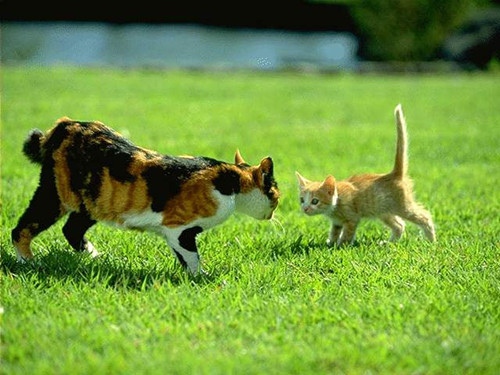
CatsCats are cute animals,they are very special as well.It has pointy ears, round eyes,little claws,and short but soft fur.Cats like eating fish and mice.They like to keep themselves clean, they do that by licking their fur.Also they are nocturnal animals, they sleep in the daytime and do most of their movements at night.We should love cat, because cats are our friends,too.猫猫是可爱的动物,它们也很奇特.它有尖尖的耳朵,圆圆的眼睛,小小的爪子和短而软的毛.猫喜欢吃鱼和老鼠.它们喜欢让它们自己保持干净,它们靠舔它们的毛这样作.同样,它们也是夜里出行的动物,它们在白天睡觉并且大多数活动是在夜间进行.我们应当爱护猫,因为猫也是我们的朋友
描写老鼠外貌的句子
它爱,两只小小足,拿着食物西的样子很可爱,它像灰色毛线球一般,圆圆的身材,毛绒颈的毛,东窜窜西窜窜寻找一天的伙食。
洞口出现了一只大老鼠,它浑身灰溜溜的,4条小细腿支撑着一个肥大的肚子,像小偷似的,贼头贼脑地四处张望。
老鼠圆耳朵,尖嘴巴,胡须一翘一翘的,两只绿莹莹的小眼珠滴溜溜地转,稍听得点声响,便一溜烟地飞窜,像一团滚动的凝尘。
这只老鼠又大又肥,身上长着黑褐色的毛和一条长长的尾巴,头上长着两只尖尖的小耳朵,一对绿豆似的小眼睛一眨一眨的,显得十分狡猾。
描写老鼠动作的句子3句
老鼠圆耳朵,尖嘴巴,胡须一翘一翘的,两只绿莹莹的小眼珠滴溜溜地转,稍听得点声响,便一溜烟地飞窜,像一团滚动的凝尘。
洞口出现了一只大老鼠,它浑身灰溜溜的,4条小细腿支撑着一个肥大的肚子,像小偷似的,贼头贼脑地四处张望。
只见它那黑溜溜的小眼珠转个不停,似乎在熟悉这个陌生的环境,~一身黄色的绒毛~背上还有三条发棕的线条~困了的时候把自己像个球一样蜷在一起,眼睛眯成一条线~两只小爪子抬在胸前~可爱极了。
。
。
描写老鼠的外貌
它很可两只小前足,拿物吃东西的样子很可爱,它像灰色毛线球一般,圆圆的身材绒颈的毛,东窜窜西窜窜寻找一天的伙食。
洞口出现了一只大老鼠,它浑身灰溜溜的,4条小细腿支撑着一个肥大的肚子,像小偷似的,贼头贼脑地四处张望。
老鼠圆耳朵,尖嘴巴,胡须一翘一翘的,两只绿莹莹的小眼珠滴溜溜地转,稍听得点声响,便一溜烟地飞窜,像一团滚动的凝尘。
这只老鼠又大又肥,身上长着黑褐色的毛和一条长长的尾巴,头上长着两只尖尖的小耳朵,一对绿豆似的小眼睛一眨一眨的,显得十分狡猾。
描写老鼠的英文形容词,五个
Lost and found I lost a blue dirty bag.There was a red pencil-case,an English book and a black purse.If someone finds it,he or she will give it back to me.Thanks.
描写动物的英语句子有哪些
莫桑比克的老鼠 非洲东南部的国家莫桑比克恐怕是全世界猫咪最恐惧的地方了,因为那里的老鼠让它们不寒而栗。
猫不是老鼠的克星么,怎么怕起小耗子来了
小耗子当然不可怕,可莫桑比克的耗子体形特别庞大,有的游客曾编顺口溜,说那里“蜂窝像磨盘,耗子比猫大”,您想想,怕不怕
当地的耗子有的可以长到两尺长、3-4公斤重,堪称老鼠界的巨人,而该国的猫却大多体形瘦小,不少成年猫的确比老鼠壮不多点儿,让它们担负捕捉如此硕鼠的重任,也的确有点强猫所难了。
东南非洲有色金属矿藏丰富,地质结构复杂,长期生活在地下的老鼠体内摄入的微量元素远比其它动物多,其中一些便因此摄入导致变异的微量元素,并形成各种各样古怪的老鼠品种,莫桑比克的硕鼠便是其中的幸运儿。
老鼠的幸运自然便是猫咪的不幸,不过碰上硕鼠最多让猫咪心虚一下,毕竟没多大威胁,要是碰上大名鼎鼎的莫桑比克吃猫鼠,那可就有去无回了。
这种吃猫鼠天生一张大嘴,猫咪碰上它们,立即变得体若筛糠、浑身酥软,瘫作一团,任凭摆布。
此时吃猫鼠便会扑上去咬断猫咪喉管,先吸尽猫咪全身的血,再把它的尸体拖回洞穴慢慢享用。
原来它的大嘴里可以喷射出一股有麻醉作用的唾液,猫咪一沾上便会昏倒,自然任其宰割了。
有趣的是,这种吃猫鼠偏偏不大,和寻常田鼠个头仿佛。
令猫咪们更不舒服的是当地人并不特别讨厌老鼠,甚至还很感激。
原来当地曾爆发过长期内战,遗留下大量地雷,严重威胁着居民的安全,用人探雷扫雷效率低,又很危险,后来比利时专家训练了一群老鼠担任工兵,这些老鼠嗅觉灵敏,又能在土中任意打洞,找地雷实在是小菜一碟,更妙的是它们身体比人和狗都轻得多,不小心踩上地雷也不会引爆。
很伤当地老鼠自尊心的是,不论威风八面的食猫鼠,还是庞然大物般的硕鼠,都无法承担探雷扫雷这项技术活,这个工作是由它们的远邻——冈比亚大老鼠代劳的,这些老鼠平均重达1.15公斤,比莫桑比克硕鼠轻得多呢。
描写一段关于老鼠的英语短文
Click button to switch to frame version of page. Note that although the frame version is pretty it considerably reduces the size of the viewing window, so if you are using a small and\\\/or low-resolution screen you may find it a nuisance. The site looks best in a medium text-size, and is set to adjust the width of images to look more or less the same at all screen-resolutions and as far as possible for all browsers (it works with IE, Netscape, Opera and WebTV, anyway), provided you have JavaScript enabled: in the absence of JavaScript it assumes you have an old system and sets the images to fit a 640x480 screen. If you resize the browser window and then reload\\\/refresh, for most browsers the images will adjust to the new window-size. This scripted version is new: if you encounter any problems getting it to work, please let me know. [Although all pages will load correctly in Netscape, Netscape 4.7 is so flaky that it may take two or three attempts. If a page-header is missing, or the page looks wrong in some other way, allow it to finish loading and then go back out and come in again, and it should come up perfectly at the second or, failing that, the third pass. Most pages are broken into separate table-blocks, to aid loading in Netscape and also to minimize formatting problems in Netscape 4.7 by confining them to small sections - since Netscape 4.7 randomly refuses to justify text around particular images and any other text within the same table-block. There's no apparent rhyme or reason to it and no way of controlling it, since which images are affected varies with your browswer's font-size. Readers who look at the HTML will find there are inconsistencies in the way images are formatted, e.g. in some cases the image itself is aligned right or left; in others it is set in a paragraph which is so aligned. This was done to get round bugs in Netscape 4.7. I cannot tell you how much I loathe Netscape 4.7.] New additions: the site has been substantially re-worked, including entirely new sections on the wild Norway rat and on the rat-temple at Deshnok. Nearly all pages now have added artwork. This makes the site a lot more visually interesting, but of course slows it down a bit: if you just want to look something up in a hurry there is a link at the top of every page taking you into a plain-text version (which is also suitable for the Lynx browser). Coming soon: chart of fancy rat colour-genes (I've been saying that for about two years - which is how long I've been waiting for a certain somebody to provide the list of white-spotting genes she promised me, and which I need to complete the genetics section); authentic ship rat noises (maybe). New fancy and\\\/or ship rat cartoons will be added usually every two months, after they appear in Pro-Rat-a. Mouse\\\/Rattus rattus bullet-points adapted from animals font. Rattus norvegicus bullet-points and in-line buttons taken from a design by Ellen Sandbeck and © 1999-present (you may copy these provided you reproduce their copyright notice). To see copyright details and provenance of other illustrations, left-click on image. N.B. Both Rattus rattus and Rattus norvegicus have numerous common names. Rattus rattus is variously known as the Ship, Black, Roof, House, Alexandrine or Old English Rat, and Rattus norvegicus as the Norway, Brown, Field or Sewer Rat: and both are known as the Common Rat. I have used the names Norway Rat and Ship Rat because those are the ones in commonest use in Britain, and because they generate some interesting puns: but in fact most of these names make very little sense. The Norway Rat isn't from Norway; depending on the local climate the Field Rat also lives in houses and the House Rat in fields; both rats go on ships; and although black coats are much commoner in Rattus rattus than in Rattus norvegicus both rats come in a wide range of colours. In fact the only name which makes much sense is the American term Roof Rat for Rattus rattus. Even there, Rattus norvegicus also sometimes occurs in attics and Rattus rattus in burrows, but it is generally the case that Rattus rattus prefers to live on top of things and Rattus norvegicus prefers to live underneath things, and if we could start again from scratch in the naming stakes I would suggest calling the two species Roof Rat and Cellar Rat. E-mail if any to Claire M Jordan The Fancy Rat. This is the normal pet and laboratory rat: the domesticated form of the Brown, Common or Norway Rat Rattus norvegicus. Probably the most attractive and easiest to care for of all cage-pets [strictly speaking the easiest and most attractive of all are female mice: but male mice are smelly and quarrelsome!]. The Ship Rat. Also known as the Black, Roof, Alexandrine or Old English Rat, this is Rattus rattus, the original Mediaeval rat: now rare in Europe but very common in Asia and fairly common in Africa, Australia and warmer parts of America. Not strictly a pet species - certainly not a beginner's pet - but these animals are occasionally kept by experienced rodent-fanciers, or adopted from the wild as orphans.
用英文描述一下猫和老鼠动画片中打台球的猫那集
楼主听好了:The cat was unlucky again, the mouse won again猫又倒霉了,老鼠又赢了