急求关于葡萄酒介绍的主持人演讲稿的基本模式
介绍葡萄酒的起源 产品特点 品尝基本要素等
酒文化经典演讲稿有哪些
一. 中国的酒文化起源 关于酒,在中国的出现,有文字记载最早的有“仪狄造酒”、“杜康造酒”之说。
从历史年代推算,仪狄在前,传说她是舜的女儿,与禹同时代,而杜康是西周之后的春秋时代的人。
可是,在我国龙山文化遗址中出土了樽、缶、杯、斝等形状古朴的新石器时代酒器;从西安半坡村遗址出土的陶器中,发现如甲骨文、金文中“酉”字形状的陶罐,这种陶罐距现在约有七千余年;从山东大汶口遗址也出土了大量樽、缶、杯、斝等盛酒的陶器。
由此证明,早在仪狄时代的四千年前,中国不但有了酒和酒器,而且饮酒已比较普遍了。
二.对酒的认识 酒,是一种有机化合物。
含糖的物质在酶的作用下变成酒精,再加其他物质进行勾兑,便成为各种香型的酒。
大自然不停地运行,某种物质由于天气的温度、湿度、光照等诸条件在适合演变规律之下,天然地造化出酒。
中国早年就有“猿猴造酒”的传奇之说。
无独有偶,法国也有鸟类造酒的传说。
这就证明,酒存在于大自然的物质世界,由于各种条件符合酿成的必然,于是就出现了酒。
人类,在自然规律的启迪下,发现酒,进而自觉地酿造酒,这是顺理成章的行为了 三.酒的成份 酒是多种化学成份的混合物,酒精是其主要成份还有水和众多的化学物质。
这些化学物质可分为酸、酯、醛、醇等类型。
决定酒的质量的成份往往含量很低,但种类却非常多。
饮料酒中都含有酒精,酒精的学名是乙醇,分子式:CH3CH2OH,分子量为46。
糖转化成乙醇的化学反应式: C6H12O6 → 2CH3CH2OH + 2CO2 补充:酒的度数 目前,国际上酒度表示法有三种: 第一种:标准酒度(Alcohol% by volume)。
标准酒度是法国著名化学家盖·吕萨克(Gay·Lusaka)发明的。
它是指在20℃条件下,每100毫升酒液中含有多少毫升的酒精。
这种表示法比较容易理解,因而使用较为广泛。
标准酒度又称为盖·吕萨克酒度,通常用百分比表示此法,或用缩写GL表示; 第二种;英制酒度(Degrees of proof VK)。
英制酒度是18世纪由英国人克拉克(Clark)创造的一种酒度计算方法; 第三种:美制酒度(Degrees of proof US)。
美制酒度用酒精纯度(Proof)表示,一个酒精纯度相当于0.5%的酒精含量。
英制酒度和美制酒度的发明都早于标准酒度的出现,它们都用酒精纯度“proof”来表示。
但三种酒度之间可以进行换算。
因此,如果知道英制酒度,想算出它的美制酒度或标准酒度,只要有下列公式就可以算出来: 标准酒度×1.75=英制酒度 标准酒度×2=美制酒度 英制酒度×8÷7=美制酒度 四.五种粮食中富含的微量元素 小麦含有谷甾醇、卵磷脂、尿囊素、精氨酸、淀粉酶、麦芽糖酶、蛋白酶及微量维生素B等。
小麦中含B族维生素和维生素E较多,铜、锰、锌较高。
每100g小麦中含有0.4 m g硫胺素,0.10 m g核黄素,4.0 m g尼克酸,1.82 m g维生素E,34 m g钙,325 m g磷,289 m g钾,5.1 m g铁,2.33 m g锌,4.05μg硒。
小麦胚芽含有人体必需的八种氨基酸,其含量占氨基酸总量的35%,特别是赖氨酸的含量很高,比鸡蛋高两倍,麦胚有促进婴幼儿生长发育、保护大脑、抗衰老、抗氧化及抗动脉粥样硬化等作用。
玉米含有胡萝卜素、叶红素、谷固醇、皂角甙、VB1、VB6、VPP以及硒等营养物质,还有丰富的赖氨酸、木质素、谷胱甘肽。
每100 g玉米中含0.21 m g硫胺素,0.13 m g核黄素,17μgRE维生素A,100μg胡萝卜素,2.5 m g尼克酸,3.89 m g维生素E,14 m g钙,218 m g磷,300 m g钾,2.4 m g铁,1.70 m g锌,3.52μg硒。
玉米中含被称为治癌化学物“手铐”的谷胱甘肽是一种十分理想的抗癌食物,特别能减少结肠癌和直肠癌的发病率。
玉米脂肪中还含有丰富的VE,它是生育酚,可以促进生长发育,也可以防止皮肤色素沉积和皱纹的产生,具有极强的延缓衰老和增强机体活力的作用。
玉米的氨基酸中含有丰富的谷氨酸,它能促进脑细胞的呼吸,有利于脑组织里氨的排除,具有很好的健脑和增强记忆力的功效。
五.红葡萄酒的抗癌功能 美国和英国科学家研究发现,红葡萄酒中的白藜芦醇(RESVERATROL)具有抗癌作用,他们正计划以这种物质为核心研制一种新型预防癌症的药物 英国莱切斯特大学和美国密歇根大学的科学家说,白藜芦醇存在于花生和多种浆 果中,特别是在葡萄皮中的含量最高,因此,红酒中大量含有这种物质也就不足为奇了。
研究人员在实验中发现,这种化合物具有较强的消炎和抗癌作用。
据莱切斯特大学教授斯图尔德介绍,自从发现白藜芦醇在预防癌症方面的价值,美国全国癌症研究所就一直在寻找白藜芦醇对早期癌症的疗效。
他还透露,研究人员计划于明年初对20名健康志愿者进行实验,让他们在一段时间内服用含0.5克白藜芦醇的药片,这相当于几十瓶红葡萄酒中白藜芦醇的含量。
研究人员将观察并分析白藜芦醇在志愿者体内的存留时间和参加血液循环的白藜芦醇数量。
此外,研究者们还将寻找这种化合物在抗癌效果方面的生化证据。
你自己删减组合下就行了
古诗对酒的演讲稿
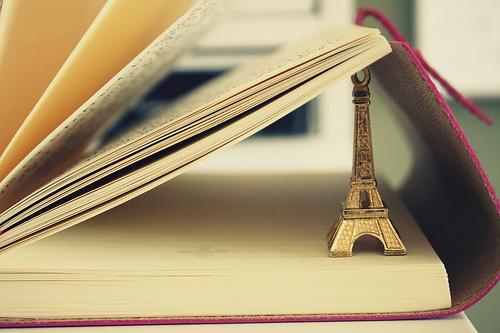
Paris has long inspired opinionated outbursts, from delusional to denouncing, but on one matter travelers remain in agreement: it’s among the most stimulating cities in the world. Paris assaults all the senses, demanding to be seen, heard, touched, tasted and smelt. From luminescent landmarks to fresh poodle droppings on the pavement, the city is everything it should be - the very essence of all French things. If you come here expecting all you’ve heard to be true, you won’t leave disappointed. Paris is at its best during the temperate spring months (March to May), with autumn coming in a close second. In winter, there are all sorts of cultural events to tempt the visitor, but school holidays can clog the streets with the little folk. August is usually and sticky, and it’s also when many Parisians take their yearly vacations, so businesses are likely to be closed. Musée du is probably one of the most world-renowned sightseeing places in Paris. This enormous building, constructed around 1200 as a fortress and rebuilt in the mid-16th century for use as a royal palace, began its eer as a public museum in 1793. As part of Mitterand’s grands projets in the 1980s, the was revamped with the addition of a 21m (67ft) glass pyramid entrance. Initially deemed a failure, the new design has since won over those who regard consistency as inexcusably boring. Vast scrums of people puff and pant through the rooms full of paintings, sculptures and antiquities, including the Mona Lisa, Venus de and Winged Victory (which looks like it’s been dropped and put back together). If the clamor becomes unbearable, your best bet is to pick a period or section of the Louvre and pretend that the rest is somewhere across town. Eiffel Tower This towering edifice was built for the World Fair of 1889, held to commemorate the centennial of the French Revolution. Named after its designer, Gustave Eiffel, it stands 320m (1050ft) high and held the record as the world’s tallest structure until 1930. Initially opposed by the city’s artistic and literary elite - who were only affirming their right to disagree with everything - the tower was almost torn down in 1909. Salvation came when it proved an ideal platform for the antennas needed for the new science of radio telegraphy. When you’re done peering upwards through the girders, you can visit any of the three public levels, which can be accessed by lift or stairs. Just south-east of the tower is a grassy expanse that was once the site of the world’s first balloon flights and is now used by teens as a skateboarding arena or by actists bad-mouthing Chirac. Avenue des Champs-élysées A popular promenade for the ostentatious aristos of old, the Avenue des Champs-élysées has long symbolised the style and joie de vre of Paris. Encroaching fast-food joints, showrooms and cinemas have somewhat dulled the sheen, but the 2km (1mi) long, 70m (235ft) wide stretch is still an ideal place for evening walks and relishing the food at overpriced restaurants. Centre Georges Pompidou The Centre Georges Pompidou, displaying and promoting modern and contemporary art, is far and away the most visited sight in Paris. Built between 1972 and 1977, the hi-tech though daffy design has recently begun to age, prompting face-lifts and closures of many parts of the centre. Woven into this mêlée of renovation are several good (though pricey) galleries plus a free, three-tiered library with over 2000 periodicals, including English-language newspapers and magazines from around the world. A square just to the west attracts street musicians, Marcel Marceau impersonators and lots of unsavoury types selling drugs or pic pockets. Notre Dame The city’s cathedral ranks as one of the greatest achievements of Gothic architecture. Notre Dame was begun in 1163 and completed around 1345; the masse interior can accommodate over 6000 worshippers. Although Notre Dame is regarded as a sublime architectural achievement, there are all sorts of minor anomalies as the French love nothing better than to mess with things. These include a trio of main entrances that are each shaped differently, and which are accompanied by statues that were once coloured to make them more effective as Bible lessons for the hoi polloi. The interior is dominated by spectacular and enormous rose windows, and a 7800-pipe organ that was recently restored but has not been wor properly since. From the base of the north tower, visitors with ramrod straight spines can climb to the top of the west fa?ade and decide how much aesthetic pleasure they derive from loo out at the cathedral’s many gargoyles - alternatively they can just enjoy the view of a decent swathe of Paris. Under the square in front of the cathedral, an archaeological crypt displays in situ the remains of structures from the Gallo-Roman and later periods. Sainte Chapelle Lying inside the Palais de (law courts), Sainte Chapelle was consecrated in 1248 and built to house what was reputedly ’ crown of thorns and other relics purchased by King Louis IX earlier in the 13th century. The gem-like chapel, illuminated by a veritable curtain of 13th-century stained glass (the oldest and finest in Paris), is best viewed from the law courts’ main entrance - a magnificently gilded, 18th-century gate. Once past the airport-like security, you can wander around the long hallways of the Palais de and, if you can find a court in session, observe the proceedings. Civil cases are heard in the morning, while criminal trials - usually reserved for larceny or that French speciality crimes passionnel - begin after lunch. Musée d’Orsay Spectacularly housed in a former railway station built in 1900, the Musée d’Orsay was reinaugurated in its present form in 1986. Inside is a trove of artistic treasures produced between 1848 and 1914, including highly regarded Impressionist and Post-impressionist works. Most of their paintings and sculptures are found on the ground floor and the skylight-lit upper level, while the middle level has some magnificent rooms showcasing the Art-Nouveau movement. Nearby, the Musée Rodin displays the lively bronze and marble sculptures by Camille Claudel and Auguste Rodin, including casts of some of Rodin’s most celebrated works. There’s a sculpture garden out the back, one of Paris’ treasured islands of calm. Cimetière du Père Lachaise [R-p5]Established in 1805, this necropolis attracts more visitors than any similar structure in the world. Within the manicured, evergreen enclosure are the tombs of over one million people including such luminaries as the composer Chopin; the writers Molière, Apollinaire, Os Wilde, Balzac, Marcel Proust and Gertrude Stein; the artists , Delacroix, Pissarro, Seurat and Modigliani; the actors Sarah Bernhardt, Simone Signoret and Yves Montand; the singer édith Piaf; and the dancer Isadora Duncan. The most visited tomb, however, is that of The Doors lead singer, Jim Morrison, who died in Paris in 1971. One hundred years earlier, the cemetery was the site of a fierce battle between Communard insurgents and government troops. The rebels were eventually rounded up against a wall and s, and were buried where they fell in a mass grave. Place des Vosges The Marais district spent a long time as a swamp and then as agricultural land, until in 1605 King Henry IV decided to transform it into a residential area for Parisian aristocrats. He did this by building Place des Vosges and arraying 36 symmetrical houses around its square perimeter. The houses, each with arcades on the ground floor, large dormer windows, and the requisite creepers on the walls, were initially built of brick but were subsequently constructed using timber with a plaster covering, which was then painted to look like brick. Duels, fought with strictly observed formality, were once staged in the elegant park in the middle. From 1832-48 Victor Hugo lived at a house at No 6, which has now been turned into a municipal museum. Today, the arcades around the place are occupied by expensive galleries and shops, and cafés filled with people drinking little cups of coffee and air-kissing immaculate passersby. Bois de Boulogne The modestly sized Bois de Boulogne, on the western edge of the city, is endowed with forested areas, meandering paths, belle époque cafes and little wells of naughtiness. Each night, pockets of the Bois de Boulogne are taken over by prostitutes and lurkers with predacious sexual tastes. In recent years, the police have cracked down on the area’s sex trade, but locals still advise against walking through the area alone at night. Outer ?le de France The relatively small region surrounding Paris - known as the ?le de France (Island of France) - was where the kingdom of France began its 12th-century expansion. Today, it’s a popular day-trip destination for Parisians and Paris-based visitors. Among the region’s many attractions are woodlands ideal for hiking, skyscrapered districts endowed with sleekly functional architecture, the much-maligned EuroDisney, elegant historical towns and Versailles, the country’s former political capital and seat of the royal court. The latter is the site of the Chateau de Versailles, the grandest and most famous palace in France. Built in the mid-1600s during the reign of Louis XIV, the chateau is a keen reminder of just how much one massive ego and a nation’s wealth could buy in days of old (eat your heart out, Bill Gates). Apart from grand halls, bedchambers, gardens, ponds and fountains too elaborate to discuss, there’s also a 75m (250ft) Hall of Mirrors, where nobles dressed like ninnies could watch each other dancing. Canal Saint Martin The little-touristed Saint Martin canal, running through the north-eastern districts of the Right Bank, is one of Paris’ hidden delights. The 5km (3mi) waterway, parts of which are higher than the surrounding land, was built in 1806 to link the Seine with the much longer Canal de l’Ourcq. Its shaded towpaths - specked with sunlight filtering through the plane trees - are a wonderful place for a romantic stroll or bike ride past locks, metal bridges and unassuming but well turned-out Parisian neighbourhoods. Paris has two airports, Aéroport d’Orly, south of central Paris, and Aéroport Charles de Gaulle, in the north, is a major international hub, so you shouldn’t have any trouble finding a flight, regardless of where you’re flying. Paris is also famous for its sophisticated underground system, known as Metro. No matter where you are, chances are that there’s a metro station within a few blocks. Europe is famous for its fascinating cultural background and the same is true to Paris. Why shall you wait? It’s well worth visiting it.
大家帮忙弄篇演讲稿吧,适合初一在课前演讲的那种,三分钟左右不要太深奥啊。
课前演讲稿 著名的文学家托尔斯泰曾经说过:“世界上只有两种人:一种是观望者,一种是行动者。
大多数人想改变这个世界,但没人想改变自己。
”想要改变现状,就要改变自己;要改变自己。
就得改变自己的观念。
一切成就,都是从正确的观念开始的。
一连串的失败,也都是从错误的观念开始的。
要适应社会,适应环境,适应变化,就要学会改变自己。
柏拉图告诉弟子自己能够移山,弟子们纷纷请教方法,柏拉图笑道,说:“很简单,山若不过来,我就过去。
”弟子们一片哗然。
这一个世界上根本就没有移山之术,唯一的一个移动山的方法就是:山不过来,我便过去。
同样的道理,人不能改变环境,那么我们就要改变自己。
是的,我们不能改变山的位置,改变不了这个这个世界上的许多东西,但是我们可以改变自己,给自己加重,这样我们就可以适应变化,不被打败
人生如水,人只能去适应环境。
如果不能改变环境,就改变自己,只有这样,才能克服更多的困难,战胜更多的挫折,实现自我。
如果不能看到自己的缺点和不足,只是一味地埋怨环境不利,从而把改变境遇的希望寄托在改变环境上,这实在是徒劳无益。
虽然我们不能改变世界,但我们可以改变自己,让我们用爱心和智慧来面对一切环境。
1、断箭 不相信自己的意志,永远也做不成将军。
春秋战国时代,一位父亲和他的儿子出征打战。
父亲已做了将军,儿子还只是马前卒。
又一阵号角吹响,战鼓雷鸣了,父亲庄严地托起一个箭囊,其中插着一只箭。
父亲郑重对儿子说:“这是家袭宝箭,配带身边,力量无穷,但千万不可抽出来。
” 那是一个极其精美的箭囊,厚牛皮打制,镶着幽幽泛光的铜边儿,再看露出的箭尾。
一眼便能认定用上等的孔雀羽毛制作。
儿子喜上眉梢,贪婪地推想箭杆、箭头的模样,耳旁仿佛嗖嗖地箭声掠过,敌方的主帅应声折马而毙. 果然,配带宝箭的儿子英勇非凡,所向披靡。
当鸣金收兵的号角吹响时,儿子再也禁不住得胜的豪气,完全背弃了父亲的叮嘱,强烈的欲望驱赶着他呼一声就拔出宝箭,试图看个究竟。
骤然间他惊呆了。
一只断箭,箭囊里装着一只折断的箭。
我一直刳着只断箭打仗呢
儿子吓出了一身冷汗,仿佛顷刻间失去支柱的房子,轰然意志坍塌了。
结果不言自明,儿子惨死于乱军之中。
拂开蒙蒙的硝烟,父亲拣起那柄断箭,沉重地啐一口道:“不相信自己的意志,永远也做不成将军。
” 把胜败寄托在一只宝箭上,多么愚蠢,而当一个人把生命的核心与把柄交给别人,又多么危险
比如把希望寄托在儿女身上;把幸福寄托在丈夫身上;把生活保障寄托在单位身上…… 温馨提示:自己才是一只箭,若要它坚韧,若要它锋利,若要它百步穿杨,百发百中,磨砺它,拯救它的都只能是自己。
2、生命的价值 不要让昨日的沮丧令明天的梦想黯然失色
在一次讨论会上,一位著名的演说家没讲一句开场白,手里却高举着一张20美元的钞票。
面对会议室里的200个人,他问:“谁要这20美元
”一只只手举了起来。
他接着说:“我打算把这20美元送给你们中的一位,但在这之前,请准许我做一件事。
”他说着将钞票揉成一团,然后问:“谁还要
”仍有人举起手来。
他又说:“那么,假如我这样做又会怎么样呢
”他把钞票扔到地上,又踏上一只脚,并且用脚碾它。
尔后他拾起钞票,钞票已变得又脏又皱。
“现在谁还要
”还是有人举起手来。
“朋友们,你们已经上了一堂很有意义的课。
无论我如何对待那张钞票,你们还是想要它,因为它并没贬值,它依旧值20美元。
人生路上,我们会无数次被自己的决定或碰到的逆境击倒、欺凌甚至碾得粉身碎骨。
我们觉得自己似乎一文不值。
但无论发生什么,或将要发生什么,在上帝的眼中,你们永远不会丧失价值。
在他看来,肮脏或洁净,衣着齐整或不齐整,你们依然是无价之宝。
” 温馨提示:生命的价值不依赖我们的所作所为,也不仰仗我们结交的人物,而是取决于我们本身
我们是独特的——永远不要忘记这一点
3、昂起头来真美 别看它是一条黑母牛,牛奶一样是白的。
珍妮是个总爱低着头的小女孩,她一直觉得自己长得不够漂亮。
有一天,她到饰物店去买了只绿色蝴蝶结,店主不断赞美她戴上蝴蝶结挺漂亮,珍妮虽不信,但是挺高兴,不由昂起了头,急于让大家看看,出门与人撞了一下都没在意。
珍妮走进教室,迎面碰上了她的老师,“珍妮,你昂起头来真美
”老师爱抚地拍拍她的肩说。
那一天,她得到了许多人的赞美。
她想一定是蝴蝶结的功劳,可往镜前一照,头上根本就没有蝴蝶结,一定是出饰物店时与人一碰弄丢了。
自信原本就是一种美丽,而很多人却因为太在意外表而失去很多快乐。
温馨提示:无论是贫穷还是富有,无论是貌若天仙,还是相貌平平,只要你昂起头来,快乐会使你变得可爱——人人都喜欢的那种可爱。
4、为生命画一片树叶 只要心存相信,总有奇迹发生,希望虽然渺茫,但它永存人世。
美国作家欧亨利在他的小说《最后一片叶子》里讲了个故事:病房里,一个生命垂危的病人从房间里看见窗外的一棵树,在秋风中一片片地掉落下来。
病人望着眼前的萧萧落叶,身体也随之每况愈下,一天不如一天。
她说:“当树叶全部掉光时,我也就要死了。
”一位老画家得知后,用彩笔画了一片叶脉青翠的树叶挂在树枝上。
最后一片叶子始终没掉下来。
只因为生命中的这片绿,病人竟奇迹般地活了下来。
温馨提示:人生可以没有很多东西,却唯独不能没有希望。
希望是人类生活的一项重要的价值。
有希望之处,生命就生生不息
5、飞翔的蜘蛛 信念是一种无坚不催的力量,当你坚信自己能成功时,你必能成功。
一天,我发现,一只黑蜘蛛在后院的两檐之间结了一张很大的网。
难道蜘蛛会飞
要不,从这个檐头到那个檐头,中间有一丈余宽,第一根线是怎么拉过去的
后来,我发现蜘蛛走了许多弯路--从一个檐头起,打结,顺墙而下,一步一步向前爬,小心翼翼,翘起尾部,不让丝沾到地面的沙石或别的物体上,走过空地,再爬上对面的檐头,高度差不多了,再把丝收紧,以后也是如此。
温馨提示:蜘蛛不会飞翔,但它能够把网凌结在半空中。
它是勤奋、敏感、沉默而坚韧的昆虫,它的网制得精巧而规矩,八卦形地张开,仿佛得到神助。
这样的成绩,使人不由想起那些沉默寡言的人和一些深藏不露的智者。
于是,我记住了蜘蛛不会飞翔,但它照样把网结在空中。
奇迹是执着者造成的。
6、阴影是条纸龙 人生中,经常有无数来自外部的打击,但这些打击究竟会对你产生怎样的影响,最终决定权在你手中。
祖父用纸给我做过一条长龙。
长龙腹腔的空隙仅仅只能容纳几只蝗虫,投放进去,它们都在里面死了,无一幸免
祖父说:“蝗虫性子太躁,除了挣扎,它们没想过用嘴巴去咬破长龙,也不知道一直向前可以从另一端爬出来。
因而,尽管它有铁钳般的嘴壳和锯齿一般的大腿,也无济于事。
”当祖父把几只同样大小的青虫从龙头放进去,然后关上龙头,奇迹出现了:仅仅几分钟,小青虫们就一一地从龙尾爬了出来。
温馨提示:命运一直藏匿在我们的思想里。
许多人走不出人生各个不同阶段或大或小的阴影,并非因为他们天生的个人条件比别人要差多远,而是因为他们没有思想要将阴影纸龙咬破,也没有耐心慢慢地找准一个方向,一步步地向前,直到眼前出现新的洞天。
7、成功并不像你想像的那么难 并不是因为事情难我们不敢做,而是因为我们不敢做事情才难的。
1965年,一位韩国学生到剑桥大学主修心理学。
在喝下午茶的时候,他常到学校的咖啡厅或茶座听一些成功人士聊天。
这些成功人士包括诺贝尔奖获得者,某一些领域的学术权威和一些创造了经济神话的人,这些人幽默风趣,举重若轻,把自己的成功都看得非常自然和顺理成章。
时间长了,他发现,在国内时,他被一些成功人士欺骗了。
那些人为了让正在创业的人知难而退,普遍把自己的创业艰辛夸大了,也就是说,他们在用自己的成功经历吓唬那些还没有取得成功的人。
作为心理系的学生,他认为很有必要对韩国成功人士的心态加以研究。
1970年,他把《成功并不像你想像的那么难》作为毕业论文,提交给现代经济心理学的创始人威尔布雷登教授。
布雷登教授读后,大为惊喜,他认为这是个新发现,这种现象虽然在东方甚至在世界各地普遍存在,但此前还没有一个人大胆地提出来并加以研究。
惊喜之余,他写信给他的剑桥校友--当时正坐在韩国政坛第一把交椅上的人--朴正熙。
他在信中说,“我不敢说这部著作对你有多大的帮助,但我敢肯定它比你的任何一个政令都能产生震动。
” 后来这本书果然伴随着韩国的经济起飞了。
这本书鼓舞了许多人,因为他们从一个新的角度告诉人们,成功与“劳其筋骨,饿其体肤”、“三更灯火五更鸡”、“头悬梁,锥刺股”没有必然的联系。
只要你对某一事业感兴趣,长久地坚持下去就会成功,因为上帝赋予你的时间和智慧够你圆满做完一件事情。
后来,这位青年也获得了成功,他成了韩国泛业汽车公司的总裁。
温馨提示:人世中的许多事,只要想做,都能做到,该克服的困难,也都能克服,用不着什么钢铁般的意志,更用不着什么技巧或谋略。
只要一个人还在朴实而饶有兴趣地生活着,他终究会发现,造物主对世事的安排,都是水到渠成的。
8、永远的坐票 生活真是有趣:如果你只接受最好的,你经常会得到最好的。
有一个人经常出差,经常买不到对号入坐的车票。
可是无论长途短途,无论车上多挤,他总能找到座位。
他的办法其实很简单,就是耐心地一节车厢一节车厢找过去。
这个办法听上去似乎并不高明,但却很管用。
每次,他都做好了从第一节车厢走到最后一节车厢的准备,可是每次他都用不着走到最后就会发现空位。
他说,这是因为像他这样锲而不舍找座位的乘客实在不多。
经常是在他落座的车厢里尚余若干座位,而在其他车厢的过道和车厢接头处,居然人满为患。
他说,大多数乘客轻易就被一两节车厢拥挤的表面现象迷惑了,不大细想在数十次停靠之中,从火车十几个车门上上下下的流动中蕴藏着不少提供座位的机遇;即使想到了,他们也没有那一份寻找的耐心。
眼前一方小小立足之地很容易让大多数人满足,为了一两个座位背负着行囊挤来挤去有些人也觉得不值。
他们还担心万一找不到座位,回头连个好好站着的地方也没有了。
与生活中一些安于现状不思进取害怕失败的人,永远只能滞留在没有成功的起点上一样,这些不愿主动找座位的乘客大多只能在上车时最初的落脚之处一直站到下车。
温馨提示:自信、执着、富有远见、勤于实践,会让你握有一张人生之旅永远的坐票。
9、心中的顽石 阻碍我们去发现、去创造的,仅仅是我们心理上的障碍和思想中的顽石。
从前有一户人家的菜园摆着一颗大石头,宽度大约有四十公分,高度有十公分。
到菜园的人,不小心就会踢到那一颗大石头,不是跌倒就是擦伤。
儿子问:“爸爸,那颗讨厌的石头,为什么不把它挖走
” 爸爸这么回答:“你说那颗石头喔
从你爷爷时代,就一直放到现在了,它的体积那么大,不知道要挖到到什么时候,没事无聊挖石头,不如走路小心一点,还可以训练你的反应能力。
” 过了几年,这颗大石头留到下一代,当时的儿子娶了媳妇,当了爸爸。
有一天媳妇气愤地说:“爸爸,菜园那颗大石头,我越看越不顺眼,改天请人搬走好了。
” 爸爸回答说:“算了吧
那颗大石头很重的,可以搬走的话在我小时候就搬走了,哪会让它留到现在啊
” 媳妇心底非常不是滋味,那颗大石头不知道让她跌倒多少次了。
有一天早上,媳妇带着锄头和一桶水,将整桶水倒在大石头的四周。
十几分钟以后,媳妇用锄头把大石头四周的泥土搅松。
媳妇早有心理准备,可能要挖一天吧,谁都没想到几分钟就把石头挖起来,看看大小,这颗石头没有想像的那么大,都是被那个巨大的外表蒙骗了。
温馨提示:你抱着下坡的想法爬山,便无从爬上山去。
如果你的世界沉闷而无望,那是因为你自己沉闷无望。
改变你的世界,必先改变你自己的心态。
10、追求忘我 不要把自己当做鼠,否则肯定被猫吃。
1858年,瑞典的一个富豪人家生下了一个女儿。
然而不久,孩子染患了一种无法解释的瘫痪症,丧失了走路的能力。
一次,女孩和家人一起乘船旅行。
船长的太太给孩子讲船长有一只天堂鸟,她被这只鸟的描述迷住了,极想亲自看一看。
于是保姆把孩子留在甲板上,自己去找船长。
孩子耐不住性子等待,她要求船上的服务生立即带她去看天堂鸟。
那服务生并不知道她的腿不能走路,而只顾带着她一道去看那只美丽的小鸟。
奇迹发生了,孩子因为过度地渴望,竟忘我地拉住服务生的手,慢慢地走了起来。
从此,孩子的病便痊愈了。
女孩子长大后,又忘我地投入到文学创作中,最后成为第一位荣获诺贝尔文学奖的女性,也就是茜尔玛·拉格萝芙。
温馨提示:忘我是走向成功的一条捷径,只有在这种环境中,人才会超越自身的束缚,释放出最大的能量。
是故事,还有道理 够你选的。