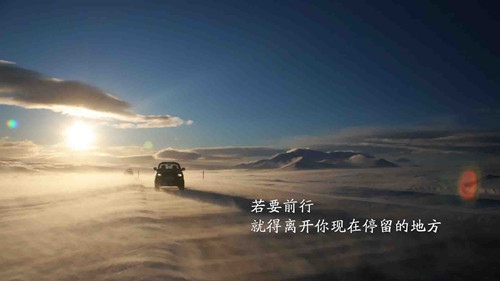
信仰的力量600字演讲稿
信仰是一个人的精神内核,是支撑人坚定走下去的动力源泉。
一个有信仰的人是一个有追求的人,时刻哟种无形的力量支撑着他往前走,即使身体离岗,精神永不离岗。
张海迪阿姨就是一个最好的例子。
5岁时,因病半身瘫痪,不能上学,但是对生命的渴望,对生活的热爱,使她在困难面前永不服输。
终于经历种种磨难,自学完成了多种语言,并创作出版了许多书籍,成了国内外有名的残疾人作家。
我们的革命战士,为了新中国的成立抛头颅洒热血,面对敌人的威逼利诱,面对敌人的严刑拷打,面对死亡,义无返顾,勇往直前,这就是因为他们心中有自己的信仰,有自己认为可以用生命去为之奋斗的东西,这就是信仰的力量。
人的胜利,不见得属于强者,但或迟或早,那相信自己能成功的人必能成功。
有了信仰,前方的路就不会再迷茫;有了信仰,前进的路中就不会再孤单;有了信仰,就有了翅膀,坚定得向着未来飞翔……
信仰的力量英文演讲稿
说实话我是COPY的.你看看能不能用把.A religion is a system of human thought which usually includes a set of narratives, symbols, beliefs and practices that give meaning to the practitioner's experiences of life through reference to a higher power, deity or deities, or ultimate truth.[1] Religion is commonly identified by the practitioner's prayer, ritual, meditation, music and art, among other things, and is often interwoven with society and politics. It may focus on specific supernatural, metaphysical, and moral claims about reality (the cosmos and human nature) which may yield a set of religious laws, ethics, and a particular lifestyle. Religion also encompasses ancestral or cultural traditions, writings, history, and mythology, as well as personal faith and religious experience.The term religion refers to both the personal practices related to communal faith and to group rituals and communication stemming from shared conviction. Religion is sometimes used interchangeably with faith or belief system,[2] but it is more socially defined than personal convictions, and it entails specific behaviors, respectively.In the frame of western religious thought,[3] religions present a common quality, the hallmark of patriarchal religious thought: the division of the world in two comprehensive domains, one sacred, the other profane.[4] According to the futurist Raymond Kurzweil, The primary role of traditional religion is deathist rationalization—that is, rationalizing the tragedy of death as a good thing.[5] Religion is often described as a communal system for the coherence of belief focusing on a system of thought, unseen being, person, or object, that is considered to be supernatural, sacred, divine, or of the highest truth. Moral codes, practices, values, institutions, tradition, rituals, and scriptures are often traditionally associated with the core belief, and these may have some overlap with concepts in secular philosophy. Religion is also often described as a way of life or a life stance Religion and the body politicA good understanding of the meaning of Christianity before the word religion came into common usage can be found in St. Augustine's writing. For Augustine, Christianity was a disciplina, a rule just like that of the Roman Empire. Christianity was therefore a power structure opposing and superseding human institutions, a literal Kingdom of Heaven. Rather than calling one to self-discipline through symbols, it was itself the discipline taught by one's family, school, church, and city authorities.[11] However at this point the root of the English word religion, the Latin religio, was in use only to mean reverence for God or the gods, careful pondering of divine things, piety (which Cicero further derived to mean diligence[12]); in other words, there was no sense of a system nor even of the Christian power structure but only of spirituality.[13] Max Müller characterized many other cultures around the world, including Egypt, Persia, and India, as having a similar power structure at this point in history. What we would call religion today, they would only call law.[14]As Christianity became commonplace, the charismatic authority identified by Augustine, a quality we might today call religiousness, had a commanding influence at the local level. This system persisted in the Byzantine Empire following the East-West Schism, while Western Europe regulated unpredictable expressions of charisma through the Roman Catholic Church. However, as the Church lost its dominance during the Protestant Reformation and Christianity became closely tied to political structures, religion was recast as the basis of national sovereignty, and religious identity gradually became a less universal sense of spirituality and more divisive, locally defined, and tied to nationality.[15] It was at this point that religion was dissociated with universal beliefs and moved closer to dogma in both meaning and practice. However there was not yet the idea of dogma as personal choice, only of established churches.Religious freedomIn the Age of Enlightenment, the idea of Christianity as the purest expression of spirituality was supplanted by the concept of religion as a worldwide practice.[16] This caused such ideas as religious freedom, a reexamination of classical philosophy as an alternative to Christian thought, and more radically Deism among intellectuals such as Voltaire. Much like Christianity, the idea of religious freedom was exported around the world as a civilizing technique, even to regions like India that had never treated spirituality as a matter of political identity.[17] In Japan, where Buddhism was still seen as a philosophy of natural law,[18] the concept of religion and religious freedom as separate from other power structures was unnecessary until Christian missionaries demanded free access to conversion, and when Japanese Christians refused to engage in patriotic events.[19]With the Enlightenment religion lost its attachment to nationality, but rather than being a universal social attitude, it was now a personal feeling, or emotion.[20] Friedrich Schleiermacher in the late 18th century defined religion as das schlechthinnige Abhängigkeitsgefühl, commonly translated as a feeling of absolute dependence.[21] His contemporary Hegel disagreed thoroughly, defining religion as the Divine Spirit becoming conscious of Himself through the finite spirit.[22] William James is an especially notable 19th century subscriber to the theory of religion as feeling.Confucianism, Taoism, and Buddhism are one, a painting in the litang style portraying three men laughing by a river stream, 12th century, Song DynastyModern currents in religionReligious studiesWith the recognition of religion as a category separate from culture and society came the rise of religious studies. Clifford Geertz's definition of religion as a cultural system was dominant for most of the 20th century and continues to be widely accepted today.Sociologists and anthropologists tend to see religion as an abstract set of ideas, values, or experiences developed as part of a cultural matrix. For example, in Lindbeck's Nature of Doctrine, religion does not refer to belief in God or a transcendent Absolute. Instead, Lindbeck defines religion as, a kind of cultural and\\\/or linguistic framework or medium that shapes the entirety of life and thought… it is similar to an idiom that makes possible the description of realities, the formulation of beliefs, and the experiencing of inner attitudes, feelings, and sentiments.”[23] According to this definition, religion refers to one's primary worldview and how this dictates one's thoughts and actions. Thus religion is considered by some sources to extend to causes, principles, or activities believed in with zeal or conscientious devotion concerning points or matters of ethics or conscience, and not necessarily including belief in the supernatural.[24]Although evolutionists had previously sought to understand and explain religion in terms of a cultural attribute which might conceivably confer biological advantages to its adherents, Richard Dawkins called for a re-analysis of religion in terms of the evolution of self-replicating ideas apart from any resulting biological advantages they might bestow. He argued that the role of key replicator in cultural evolution belongs not to genes, but to memes replicating thought from person to person by means of imitation. These replicators respond to selective pressures that may or may not affect biological reproduction or survival.[25] Susan Blackmore regards religions as particularly tenacious memes.[26] Chris Hedges, however, regards meme theory as a misleading imposition of genetics onto psychology.Interfaith cooperationBecause religion continues to be recognized in Western thought as a universal impulse, many religious practitioners have aimed to band together in interfaith dialogue and cooperation. The first major dialogue was the Parliament of the World's Religions at the 1893 Chicago World's Fair, which remains notable even today both in affirming universal values and recognition of the diversity of practices among different cultures. The 20th century has been especially fruitful in use of interfaith dialogue as a means of solving ethnic, political, or even religious conflict, with Christian-Jewish reconciliation representing a complete reverse in the attitudes of many Christian communities towards Jews.Secularism and criticism of religionMain articles: Criticism of religion, Antireligion, Secularism, Agnosticism, and AtheismAs religion became a more personal matter, discussions of society found a new focus on political and scientific meaning, and religious attitudes were increasingly seen as irrelevant for the needs of the European world. On the political side, Ludwig Feuerbach recast Christian beliefs in light of humanism, paving the way for Karl Marx's famous characterization of religion as the opiate of the masses. Meanwhile, in the scientific community, T.H. Huxley in 1869 coined the term agnostic, a term subsequently adopted by such figures as Robert Ingersoll. Later, Bertrand Russell told the world Why I Am Not a Christian.Atheists have developed a critique of religious systems as well as personal faith. Modern-day critics focus on religion's lack of utility in human society, faulting religion as being irrational.[27] Some assert that dogmatic religions are in effect morally deficient, elevating to moral status ancient, arbitrary, and ill-informed rules—taboos on eating pork, for example, as well as dress codes and sexual practices[28]—possibly designed for reasons of hygiene or even mere politics in a bygone era.In North America and Western Europe the social fallout of the 9\\\/11 attacks contributed in part to the appearance of numerous pro-secularist books, such as The God Delusion by Richard Dawkins, The End of Faith by Sam Harris, and God is not Great: How Religion Poisons Everything by Christopher Hitchens. This criticism is largely, but not entirely, focused on the monotheistic Abrahamic traditions.Religious beliefCentral Asian (Tocharian) and East-Asian Buddhist monks, Bezeklik, Eastern Tarim Basin, 9th-10th centuryMain article: Religious beliefReligious belief usually relates to the existence, nature and worship of a deity or deities and divine involvement in the universe and human life. Alternately, it may also relate to values and practices transmitted by a spiritual leader. Unlike other belief systems, which may be passed on orally, religious belief tends to be codified in literate societies (religion in non-literate societies is still largely passed on orally[29]). In some religions, like the Abrahamic religions, it is held that most of the core beliefs have been divinely revealed.Religious belief can also involve causes, principles or activities believed in with zeal or conscientious devotion concerning points or matters of ethics or conscience, not necessarily limited to organized religions
高分急需一篇关于:信仰的力量————《农信精神与我》的演讲稿
树有根,人有脸,没有信仰很危险。
山无棱,天无涯,有了信仰还怕啥
理想与信仰的演讲稿,两者兼具,3到5分钟
梦想是什么? 在卖火柴小女孩眼里,梦想是飘香的烤鹅,是奶奶温暖的双臂。
在邓亚萍眼里,梦想是坚持心中永不服输的信念,只要你肯努力,就一定能够成功。
在杂交水稻之父袁隆平的眼里,梦想是“杂交水稻的茎秆像高粱一样高,穗子像扫帚一样大,稻谷像葡萄一样结得一串串”,梦想是不停地突破和探索,是丰富的想象和大胆的创造。
在“千手观音”邰丽华的眼里,梦想是聋人可以“听”得到、盲人可以“看”得到、肢残朋友可以“行走”,梦想是从不言弃、努力拼搏的精神支柱。
梦想,伴随着我们每一个人。
梦想是美丽的,它是心底最美的期望,所以美梦成真也成了我们长久以来的信仰。
梦想是阳光的,它使人们由浮躁走向踏实,由彷徨走向坚定,并走向成功。
梦想是有力量的,它是人生前行的动力之源;高远的梦想可以激发一个人生命中所有的潜能。
上帝没有给我们翅膀,却给了我们一颗会飞的心,一个会梦想的大脑。
于是让我们大家都拥有一双“隐形的翅膀”。
人生因梦想而高飞,人性因梦想而伟大。
从小给自己一个梦想,一个人生的远大的目标,从而让梦想带着自己在人生辽阔的天空自由地飞翔。
梦想就是生命的一双无形的翅膀,惟有梦想的力量才能激励和激发我们的生命,摆脱平庸和低俗,克服人性的弱点,走向优秀和杰出。
有梦想的人是幸福的,有梦想的人生是充满希望的。
愿每一个孩子在他们的童年都能够拥有自己的梦想,无论这个梦想是什么,这个梦想有多大,我们都会去为了它而努力的,首先要从我们做起,“少年智则国智,少年富则国富,少年强则国强,少年独立则国独立,少年自由则国自由,少年进步则国进步,少年胜 于欧洲,则国胜于欧洲,少年雄于地球,则国雄于地球”这段话正充分说明了,不论我们的梦想是什么,都要先从我们做起。
中国梦,我们的梦
关于青春和信仰的演讲稿
每个人的一生都有必须做地三件事:吃喝,睡觉,上厕所。
作为一个人这都是必需的,但如果是一直只有这些事,只会使我们变成行尸走肉。
人吗,应当有追求,更应该有原则,换句话说,一个人需要理想和信仰。
在中华五千年的历史中,没有哪一个团体比我们的党的理想更远大,没有哪一个组织的成员比我们的党员信仰更坚定,所以没有哪一个团队比中国共产党更成功。
党章中就有我们的党信仰的文字化描述:中国共产党是工人阶级的先锋队,是中国各族人民利益的忠实代表,是中国社会主义事业的领导核心;对理想的描述是实现共同富裕,也就是国家富强。
有了这种理想与信仰中国共产党才能由弱变强,进而主宰中国现代的历史。
转而说个人,也是这个道理。
信仰与理想的作用也是不可估量的,它们是人生之舟的帆和舵.有了它们,一个人才能称之为人,一个人才能让有限的生命迸发出无限的能量,为世界增添一点亮色.世界上有很多这样的例子,像领导各国人民摆脱民族压迫的的领袖们,像让黑人获得权利的马丁.路德.金,以及在各个领域都有卓越建树的成功人士,毫无例外的,他们都有坚定的信仰与远大的理想,所以作为未来承担历史任务的主体大学生我们更应该拥有远大的理想和找到坚定的信仰世界上没有完全一样的两个人,但理想是可以共有的,信仰也是可以分享的.如果我们中的某些人志同道合,那是再还不过了,因为那不是简单的代数相加而是可能会发生质的变化,将不可能化为可能.关于怎样树立理想与找到坚定的信仰,作为社会主义接班人的我们的个人理想无疑要服从国家理想,我们的信仰也要服从马列主义.在不于国家理想矛盾的情况下,树立自己的的理想;根据马列主义找到自己的信仰.只有这样我们才不会被历史潮流淹没,成为祖国的罪人.具体细节方面因人而异,但大的方向不能错.
求3分钟演讲稿~
自己想一想哦~~~~~~~~~~~~~~~~可以去网上搜一下祖国在我心中的演讲稿,有很多,自己选一下:1.亲爱的同学们: 我想请问你们一个问题:在你们心中,什么最伟大
我想,答案一定是两个字——祖国。
56年前的十月一日,历史伟人, 在天安门城楼上向全世界庄严宣告: 中华人民共和国成立了! 中国人民从此站起来了! 随着香港澳门的回归,我国结束了几百年来受侵略的屈辱史; 2001年七月, 我国申奥成功, 我们激动, 我们流泪, 因为祖国在我心中;2004年的雅典奥运会上,我们的体育健儿一举获得了32枚金牌,使我国成为体育强国, 我们欢呼,我们雀跃,因为祖国在我们心中;改革开放的春风吹拂大地, 使我国由贫穷走向富裕; 加入世贸组织, 融入世界经济, 国力强盛, 东方巨龙正在崛起! 我们骄傲, 我们自豪, 因为祖国在我心中! 近百年来,许许多多大有成就的中华儿女,哪一个不是用“祖国在我心中”来鞭策自己继续努力奋斗。
周恩来之所以能成为中国人民敬仰的一代伟人,不就是因为他从小用“为中华之崛起而读书”来鞭策自己;现代科学家童第周从一个后进生变成了轰动西方科学界的中国留学生,这股动力不就来自他的坚定信念——“外国人能办到的,中国人也能办到”;伟大的科学家钱学森,不畏艰辛远渡重洋回到祖国, 为国家奉献了一生, 因为他一直以不变的崇高信仰, 是他归国时感人肺腑的话 “祖国啊,我回来啦
” 祖国, 九百六十万平方公里的土地, 哪一寸没有深深地烙下华夏后代的足印, 哪一寸不值得炎黄子孙引以为荣? 长江黄河是我们奔腾的血液; 千万座耸入云霄的山脉是我们不屈的盘古; 无际的肥田沃土是我们开阔的胸膛;无边的森林草地是我们乌黑的头发;祖国的每个部分,都嵌在了我们的身上,更深深地嵌在我们的心上。
我们是祖国的骄子,是新时代的宠儿。
风华正茂的一代啊,怎样用钢筋铁骨支撑起共和国的大厦,怎样迈开走向世界的步伐
同学们,祖国在我们心中,我们就应该为之而付诸努力。
努力学习吧,直到我们反躬自问时能问心无愧地说: “祖国在我心中!” 2.老师们、同学们: 我演讲的题目叫《祖国在我心中》 同学们,想必你们都知道1860年10月6日英法联军闯入北京圆明园的事件吧
他们把圆明园内凡是能拿走的,统统掠走;拿不动,的就用牲口搬运;是在运不走的,的就任意破坏。
最可恶的是在10月18日和19日他们为了销毁证据,竟放火烧了圆明园。
这一艺术瑰宝、建筑艺术的精华,就化成一片灰烬。
现在给我们留下的只是几根孤零零的柱子和无尽的遗憾与愤怒。
在1931年9月18日,日本关东军制造“柳条湖事件”,也就是九·一八事变。
让全国人民陷入了深深的苦难。
1931年9月18日至25日一周内,关东军占领辽宁、吉林两省的30座城市,并完全控制了12条铁路线。
日军控制的铁路除南满、安奉两路外,对北(平)宁(沈阳)、中东(由哈尔滨西至满洲里东至绥芬河南至长春)、沈(阳)海(龙)、四(平)洮(安)、吉(林)长(春)、吉(林)敦(化)、大(虎山)通(辽)、洮(安)昂(昂溪)、吉(林)海(龙)、营(口)沟(帮子)各线也进行了不同程度的控制。
沈阳是我国的军事基地,就在半天不到的时间就占领了。
不是他们攻打占领的,而是我们自己拱手相让给他们的。
在这里我们就看出了当时我们中华是多么的懦弱呀,手无扶鸡之力。
在1840年6月英国发动鸦片战争,1841年1月英军就侵占了香港岛。
看过《南京大屠杀》这本书和电影的同学,一定难以忘记日本人的凶残。
他们杀害了将近30多万人,老人、妇女、儿童一个都不放过。
日本人还举行杀人比赛,看谁杀的多。
在电影里面说他们是禽兽,这些事是只有禽兽才能干出来的。
外国侵略者给我们留下的痛苦,深深的刻在我们的心里。
日本人到现在都没有死心,一直都还想着侵略中国。
原来的日本首相小泉,去参见敬过神社后,多个国家表示不满。
我感觉他根本看不起我们中国人,迟早有一天我们会让他刮目相看。
现在中国的科技是愈来愈发达,“神州五号”、“神州六号”等都相继飞上了太空,我相信以后的中国肯定会更发达。
同学们,我们是21世纪新的栋梁,祖国新的花朵,我们一定要努力学习,让祖国更加美好。
“勿忘国耻,振兴中华
”让这句话记在我们的心里,永不忘记,激励我们奋发图强。
我的演讲完毕。
3.同学们:大家好
雄伟的长城是我们的骄傲,它有2000多年的历史,在宇宙用肉眼看地球,都能看到它。
看到长城,仿佛看到了我们的祖国,长城里藏着中华民族伟大的灵魂,它是最壮观的一项工程。
高耸的山峰、翻滚的长江。
。
。
。
。
。
都是我们的大好河山。
正因为如此,2008年奥运会才在北京举行。
人们为了迎接这个神圣的日子,修建了鸟巢、水立方。
。
。
,水立方的外观像水的波纹,放眼望去,仿佛置身在海洋中。
频繁的大道创造了鸟巢,这些大道是邓稼先、杨立伟们留给我们的,他们希望我们创造出比他们更好的奇迹。
但是,繁荣的中国背后却还有一个坎坷的祖国,外国军队闯入了我们的国家,卖鸦片骗取中国人的白银。
林则徐为救国家开展销烟运动,却勾起了外国军队的不满,战争爆发了。
很多爱国者忍无可忍,展开了一场救国运动。
在长期的抗击外敌的战争中,涌现出许多英雄人物,赵一曼就是其中一位。
赵一曼从22岁就加入了中国共产党,任第三军第二团政治委员。
11月间,第二团被日军围困在山上。
团长让赵一曼带部队突围,她却果断的说:“我来掩护,你是团长,你先带队离开
”赵一曼为了掩护部队撤离,身负重伤,昏迷被俘。
日军想尽各种办法逼赵一曼说出共产党的作战计划,但是她只是怒斥敌人:“你们可以让整个村庄变成瓦砾,也可以把人剁成烂泥,可是你们永远消灭不了共产党员的信仰
”敌人知道赵一曼不会透露半点线索,便决定将她杀害。
赵一曼在临刑前夜想起她一直没有照顾、卖给别人的儿子,给他留下一封信。
她高唱《国际歌》,高呼:“打倒日本帝国主义
”视死如归,从容就义,年仅31岁。
爱国者的信念永远打不倒,他们终于换来了新中国的成立。
我们应该热爱自己的祖国,不忘国耻,用自己的双手为国争光
4.《祖国在我心中》演讲稿 亲爱的同学们: 自从党带领着人民打败了外国侵略者之后,我们的祖国正在飞速发展之中,然而有些外国人还是瞧不起我们,于是,许多爱国志士便都投入了祖国的建设事业中。
邓稼先这个名字大家一定都很熟悉吧
它就是原子弹和氢弹的研究者。
1958年8月,在外国留学的邓稼先谢绝了导师的挽留,怀着一颗滚烫的赤子之心踏上了归途,回到了新中国。
但是,外国已研究出了非常先进的核武器,而在这方面,中国仍旧就是一个空白。
1958年党中央决定研制中国自己的核武器——原子弹。
这时,邓稼先站了出来,他毅然接受了研究原子弹的任务,当时,研究核弹的工作是非常危险的,但邓稼先决定要为国捐躯。
1964年10月16日,随着一声巨大的轰鸣,一朵无比壮美的蘑菇云升上了天空,中国的第一颗原子弹在罗布泊的山空爆炸成功。
1967年6月17日,在罗布泊的上空,中国的第一颗氢弹又成功地爆炸了。
全世界震惊了
喜讯迅速传遍了长城内外,大江南北,这不朽的功绩使中国人扬眉吐气。
看着冉冉上升的国旗,你是否感到从未有过的激动呢
这是我们国家的象征,有多少人为这国旗做出了贡献,在观看升旗仪式的同时,你是否尊重那些在国旗里活着的烈士
那些为国旗做出贡献的人呢
我敢说有些人不是的。
当我们对国旗行注目礼时,有的人在做小动作;当庄严的国歌奏响时,我们嘴里发出的声音却像蚊子似的无病呻吟。
这一切难道是爱国的表现吗
别忘了,亲爱的同学们,那红旗里的眼睛在看着你呢
谁在做小动作
谁在低着头
高高飘扬的红旗全都知道得一清二楚。
别人为升旗仪式是一件小事,它的意义大于一切
我郑重地发出倡议:请你们尊重国旗,尊重那些在国旗里活着的爱国志士吧
同学们: 今天,我要演讲的题目是“祖国在我心中”。
现在,中国的科技发达了,我们人人都过上了幸福的小康生活。
但你们知道吗
50年代的中国是一个很被别人瞧不起的国家,它没有伟大的科学成就,科技也得不到发展。
然而,一些留学知识分子的回国,使中国的命运得到了根本的转折,正是他们,挺直了中国的脊梁。
邓稼先就是这些留学生之一,当时他听说中国的科技状况,放弃了博士学位,决心回国为祖国贡献自己的一份力量,因为他知道:自己是中国的儿女,是炎黄的子孙
他回到中国,参加了原子弹的研制工作。
邓稼先不怕困难,经常带领工作人员到前线工作。
他亲自到黄沙满天的戈壁取样本,还冒着被辐射到的危险监制原子弹。
终于,在他和大家的共同努力下,原子弹试验爆炸成功了
随后,邓稼先又以惊人的速度研制成功了氢弹、东方红卫星。
爷爷提到邓稼先,说:“两弹是他的勋章,中国为他骄傲
” 这些知识分子中,还有很多默默无闻的人废寝忘食地工作在第一线。
他们这么刻苦努力的工作,是为了什么呢
中国有那么美丽的河山,那么悠久的历史,那么灿烂的文化,他们就是为了不让祖国受到外国人的侮辱和嘲笑。
故宫、长城,哪个不是规模宏大、气势辉煌
泰山、黄山,哪个不是风景秀丽、雄伟壮观
造纸、火药,哪个不是我们中国人的骄傲
当鲜红的五星红旗冉冉升起时,我们都会想起那些爱国的知识分子。
正是这句话,成为了他们的动力——我是中国人,我爱中国
今天我演讲的主题是祖国在我心中,当你看到五星红旗升起的时候,听到原来我们中国人民被外国侵略者的事情的时候,在得知中国又日新月异的成就的时候,你的心中会不会涌起一股爱国之情呢?我想会的. 1949年10月1日那一天,新中国成立了,中国耻辱的历史永远结束了.再也不会有外国侵略的硝烟,而是中华儿女们崛起的事迹.从“解放”汽车,“东方红”一号的发射成功,原子弹、氢弹爆炸成功,神舟六号载人飞船发射的成功,一至到北京获得了2008年奥运主办权,哪个不是我们中国人的努力奋斗的结果
中华民族这些耀眼的成就,也让我们的祖国重新焕发出光彩;从大兴安岭到西沙群岛,从世界屋脊到东海之波;从故宫到颐和园,从长城到天坛。
这些都是我们祖国大好河山悠久历史的见证,是我们中华儿女的骄傲。
但是我们不能停止不前,永远停留在骄傲之中,我们是发展中国家,祖国要我们去建设。
我们现在好好学习,不都是为了将来去报效祖国吗
我们都爱我们的祖国,祖国一定在我们的心中。
谢谢大家。
求有关于“信仰”的演讲稿大约4分钟之内的
急急急
继萨马兰奇雄浑的宣告声之后四年,即 2005年6月26日,在北京工人体育馆举行的发布仪式上,北京奥组委宣布“同一个世界、同一个梦想” (One world、One dream)成为北京2008年奥运会中英文主题口号。
这个口号的诞生,使一直沉浸在喜悦中的中华民族发出了无数的感慨。
当然,多数的人是积极拥戴的,但不免有些愤世嫉俗的人激动地发出一些尖刻的嘲讽。
譬如网站”上海热线”就有人这么说” 笑话,布什和拉登同在一世界,不做同一个梦。
”” 社会主义和资本主义永远不会做同一个梦。
不要自欺欺人啦
” 之所以认为他们是思想偏激,主要还是因为我对这个口号的理解。
”同一个世界,同一个梦想”,众所周知,在目前世界这个大领域之内根本就不存在共同的梦想,至少有些人”另类”的想法就无法实现”同一个梦想”。
虽然它不能代表事实,但它又何尝不象征着一种美好的愿望呢
我相信,正常的人们都希望自己,也包括自己的亲朋好友们都幸福。
既然想得到幸福,一个最最基本的前提就应该是有一个安稳的环境。
因为谁也不会愿意身处狂乱的战火之中,谁都受不了周围全是没人管的作奸犯科之人。
一个动荡的社会所造成的危害应该不仅仅是使无数的人伤心,甚至是令无数的家庭破亡。
这就决定了人们一个统一的心愿----和平。
这也便是同一个梦想了。
信仰,我的理解是梦想的升华。
毕竟梦想只是局限于”想”,而信仰,却是一种催人奋进的东西,是”想””行动”与”坚持”的多重结合体。
文珠法师说过,”古今中外,一切英雄豪杰,能够面对现实,克制困难,完成人生责任,固然依赖信仰力量;而历代高僧,所以能化愚昧为智慧,化迷惑为清醒,甚至明心见性,成圣成贤,亦全靠坚固不移的信心。
故古人说:信仰就是力量。
”华严经言:‘信为道源功德母,长养一切诸善根’,心地观经亦言:‘法宝甘露妙良药,能治一切烦恼病,有信服药证菩提,无信随缘堕恶道。
’可知信仰的重要。
但信仰一定要正信,真信,诚信,而非迷信,邪信,或莫棱两可的信
“同一个梦想”,是多么纯洁,无任何瑕疵的人类的愿望。
这个主题口号文简意深,既是中国的,也是世界的。
主题口号表达了中国人民与世界各国人民共有美好家园,同享文明成果,携手共创未来的崇高理想;表达了一个拥有五千年文明,正在大步走向现代化的伟大民族致力于和平发展、社会和谐、人民幸福的坚定愿望;表达中国人民为建立一个和平而更美好的世界做出贡献的心声。
在理解它的寓意之后,我们还应该把它升级为一种信仰,创造出力量去实现这个梦想。
因此,无论怎样,坚定我们心中的这个信仰,为我们共同的世界创造美好的明天努力吧
向日葵永远望着蓝天,和煦的阳光是它的信仰藤蔓不懈向上攀爬,粗壮的树干是它的信仰溪流淌过雪地平原,大海是它的信仰。
信仰让我们执着,让我们勇敢,让我们体会奋斗,懂得追求。
执着着,勇敢着奋斗着――为了我们的信仰。
――题记 午后的阳光懒散地洒落在无人的公园中,只有花儿在那炫耀娇容。
红的花热情,黄的花活泼,白的花纯洁,紫的花高贵,泼泼洒洒,姹紫嫣红,正你争我抢,开得灿烂,它们摆着高傲的头与风儿嬉戏,这时飞来了几只蝴蝶,轻轻地扇动着翅膀,款款落在簇簇拥拥的花群上,蜜蜂也嘤嘤翁翁地歌唱。
这大概就是花儿的信仰吧
为了莺歌燕舞,为了蝴蝶蜜蜂,美丽的开放,骄傲的凋零。
那拥抱着繁花的绿叶,它们的信仰是什么
莺歌焉舞
蝴蝶蜜蜂
不
都不是,它们的存在仅仅只为了用那葱郁的绿去衬托繁花的艳丽夺目。
它们为了花儿的信仰而绿着,也许,看着花儿在阳光下幸福的微笑足够了。
――繁花是绿叶唯一的信仰
为了自己的信仰,它总是去衬托,去奉献,那些绿可以证明一切
它是不会后悔的,它是幸福的,因为,它明白自己信仰着什么,所以,它追求,它奋斗,它执着,它勇敢,那一点点微不足道的辛酸无助又算什么
秋天来了,大地被死寂的枯黄色笼罩着,苍穹中偶尔掠过几声候鸟南归的哀鸣。
花儿不在拥有艳丽的色彩,一切都离它而去:蝴蝶不在为它起舞,黄莺不在为它歌唱,所有的浮华被岁月不留痕迹的带走,成为永远的过去。
谁也逃不了宿命的折磨,花儿和绿叶一起,将要被土地抽干血液。
可绿叶依然将自己的养料送给花儿。
它从没放弃信仰――无论春夏秋冬,沧海桑田,只要它是叶,就会为花付出一切,永不停息…… 终于,绿叶与花一同被冬天的雪埋没了,变成第2年的新泥。
又有花开了,叶绿了,依然为他们的信仰奋斗着:花儿依旧向往莺歌燕舞,绿叶依旧衬托花儿。
年复一年…… 执着,勇敢,奋斗,追求, ――为了我们的信仰