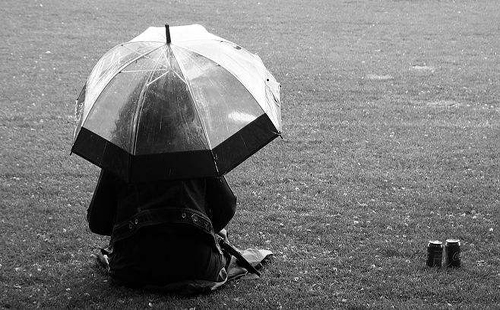
朱自清《背影》的感想
《背影》 秋雨连绵,而我,便喜欢独自坐在书桌前,听着窗外似有若无的雨声,手捧一本《朱自清散文集》,细细品味。
已记不清是多少次再读《背影》。
中学时的我并不能体味其中深意。
如今,我已日渐成长,书中父亲提着橘子蹒跚的背影,已定格在我的脑海里,像一根敏感的琴弦,一经拨动,便会引发我无限的感慨。
在中国几千年的浩瀚文海中,歌颂父母的文章不计其数,而《背影》却是最让我感动的一篇。
也许就在于作者用普通人的眼睛去发现普通的父亲一个最普通不过的动作。
而这恰恰触碰到了我心里某个最敏感的部分,让我想起我的父母,细腻的情感绵绵不绝,汇集成一条温柔的小溪,在我心中缓缓流过。
我敬佩和羡慕那些作家或擅于写作的人,可以把对父母的情感通过笔尖,自然而然地流泻于纸上,读来总能带动读者的心灵随之跃动,让心灵深处的情感也随之点燃,继而蔓延,情到深处,禁不住泪眼模糊,就像《背影》带给我们的感动。
于是我情不自禁地想到我的父母。
想着虽然生活艰辛,但他们却乐观幸福的笑容;想起我放假回家,母亲见我时孩童般的喜悦;想到他们冬日里依然在凛冽的寒风中,守着收入微薄的小摊,任冷风吹痛了脸颊的身影;想起他们日渐加深的皱纹、愈加清晰的白发……真的,想到此处,我便忍不住泪眼濛濛。
平凡的父母给了我不平凡的爱。
我有一个很简单的愿望:早日让父母卸下沉重的担子,安享晚年的幸福。
我只有尽我的努力让他们过得更好,因为我知道,父爱母爱,都是无私而伟大的。
2每一次读着这篇<背影>,心中总是怀有感伤.那一个个朴实无华的文字,那一个个历历在目催人泪下的画面,总能激荡起我的心里的那一泓的涟漪.文人的才思我无法企及,但他所要表达的情感,确实是和我无半点隔阂的,我们同有一位慈父,我也一次次看见父亲他的脸庞日渐消瘦,他的眼角的皱纹日渐增多,他的背日渐佝偻,他的身体日见颓唐.父亲也曾费尽周折为我弄些我喜欢的吃食,父亲也曾为了节俭同人讨价还价,我也曾聪明透顶过;暗自取笑父亲的迂,暗自责怪过父亲的多事,暗自抱怨过父亲的无能现在想想,实在是那时年少无知,不更事.父亲是少言的,长大了,我才愈加清晰的看到,那是一种不可抗拒的威严,那是一种沉稳的美,那是人间的极致.我时刻在思考着,父亲的没有半点粉饰的伟大是从和学来的,是从我父亲的父亲那耳濡目染?还是真的而立,不惑,知天命这时间的积淀所自然的铸就而成?抑或是与生俱来?这种父性的伟大,无论我走到哪,它的光辉都能照耀到我,无论我身在何地都能感到它的气息,无论我走多远,哪怕天涯海角,都必将为它所包容,为它所感染.父亲永远是我心中的神,他永远是那么高大,那么博爱,那么伟岸.每当我看到我亲爱的父亲越发苍老,总有种难以言传的酸楚萦绕着我,这种感觉随着年龄的增长,不仅没有半点的削减,而且愈演愈烈,每一次他为了我而深夜不能成眠,眼眉不得舒展,那种真切的负罪感,时时并且毫不留情的在我的心头堆砌,有时真的感觉喘息不畅,寝食难安. 我想了很多次,父亲为何能感动并感染我如此之深,而且不用一句言语就牵引着我去模仿,也许答案就是那句话吧,真的是父爱如山
朱自清《背影》感悟
主题思想 通过对父亲在车站给儿子送行情景的描述,表现了父亲对儿子无微不至的热爱和儿子对父亲的百般怀念。
文章写的是1917年作者在北大读书时经历的事,是在25年写的。
这一时期中国社会的状况是:军阀割据,帝国主义势力明争暗斗,知识分子朝不保夕,广大劳动人民处在水深火热之中。
作者当时虽未站到革命立场,投入反帝反封的斗争中,但做为一名正直、善良、敦厚的知识分子,必然要感到社会的压抑,产生一种落寞凄凉的情绪。
不是吗,作者的家庭,因着社会的黑暗而日趋窘迫,“光景很是惨淡”“一日不如一日” 作者的父亲,先是“赋闲”,后为了找差事而“东奔西走”,乃至老境“颓唐” 这些都从一个侧面反映了当时知识分子奔波劳碌,前途渺茫,谋事艰难,境遇凄惨的现实。
在他们心头笼罩一层不散的愁云,如同文章所表现的灰暗的基调 在这一背景上,作者写出的真挚、深沉,感人至深的父子之爱,不仅是符合我们民族伦理道德的一种传统的纯真而高尚的感情,而且父子互相体贴,特别是父亲在融汇了辛酸与悲凉情绪的父子之爱中,含有在厄运面前的挣扎和对人情淡薄的旧世道的抗争。
虽然这只是怨而不怒式的反抗,但也会引起人们的同情、叹惋乃至强烈的共鸣。
求朱自清的《背影》读后感,要求有好词好句和感受,500字左右就可以了。
第一篇:《背影》是一篇描写亲情的文章。
我觉得这篇文章写得很出色。
虽然它的文字不是太多,但是内容十分丰富。
由于大部分的字很浅易,而且句子通顺,因此读者很快能领悟内容。
作者把文章描绘得栩栩如生,令人感同身受。
阅读期间,当父亲去买橘子的时候,令我非常感动,我也像作者一样情不自禁地流下泪来。
文章的主题是父子之间的感情。
故事开始的时候,是描写父子处身于艰难的困境中。
作者的祖母去世了,父亲也刚刚失业。
办了丧事后,他们到了南京。
父亲要在那里找工作而他度过几天后就要从那里回北京念书。
在车站上,当作者看见父亲托茶房照应他的时候,作者心里认为他很婆婆妈妈。
可是,看看父亲那么辛苦地替他买橘子,他的泪很快就流了下来。
之后,接到父亲的信,令他想起父亲当时的背影。
我觉得这篇文章给了读者一个十分重要的启示:父母常常再三地告诉我们要小心或努力读书,他们始终都是为我们着想、希望我们能做一个好人。
所以我们要好好对待他们,不要辜负他们对我们殷切的期望。
《背影》真是一篇感人及有教育性的文章。
第二篇:这是朱自清爷爷在上个世纪20年代写的作品。
虽然时代离我们很久远,但仍能感觉到他们父子间那浓浓的感情。
最使我感动的是父亲对儿子那质朴无私的爱。
“父亲是一个胖子,走过去自然要费事些。
我本来要去的,他不肯,只好让他去。
我看见他戴着黑布小帽,穿着黑布大马褂,深青布棉袍,蹒跚的走到铁道边,慢慢探身下去,尚不大难。
可是他穿过铁道,要爬上那边的月台,就不容易了。
他用两手攀着上面,两脚再向上缩;他肥胖的身子向左微倾,显出努力的样子。
这时我看见他的背影,我的眼泪很快地流下来了……我再向外看时,他已经抱着朱红的橘子往回走了。
” ...
朱自清背影原文
朱自清 背影(翻译-中译英)Rear-View of a Fading Figure (Original by ZhuZiqing\\\/Translation by alexcwlin)我与父亲不相见已二年余了,我最不能忘记的是他的背影。
I haven’t seen Dad for over two years, and whatI can’t forget the most is the sight of him from the back as he was walkingaway.那年冬天,祖母死了,父亲的差使也交卸了,正是祸不单行的日子,我从北京到徐州,打算跟着父亲奔丧回家。
到徐州见着父亲,看见满院狼藉的东西,又想起祖母,不禁簌簌地流下眼泪。
父亲说,“事已如此,不必难过,好在天无绝人之路
”It was a double-whammy for our family in thewinter of that year. Grandma passed away, and Dad lost his job. I travelledfrom Beijing to Xu Zhou and planned to accompany Dad home for the funeral. WhenI saw Dad’s house in disarray and thought about Grandma, I began to weepuncontrollably. Dad said: “Lighten up! Whatever happened, happened. There’salways light at the end of the tunnel.”回家变卖典质,父亲还了亏空;又借钱办了丧事。
这些日子,家中光景很是惨淡,一半为了丧事,一半为了父亲赋闲。
丧事完毕,父亲要到南京谋事,我也要回北京念书,我们便同行。
At home, we sold off whatever we could. Dadpaid off what he owed and borrowed for the funeral. Things at home weredepressing due to the funeral and Dad’s unemployment. After the funeral, Dadhad to go to Nanjing to find work and I had to return to Beijing for school,and we left in company together. 到南京时,有朋友约去游逛,勾留了一日;第二日上午便须渡江到浦口,下午上车北去。
父亲因为事忙,本已说定不送我,叫旅馆里一个熟识的茶房陪我同去。
他再三嘱咐茶房,甚是仔细。
但他终于不放心,怕茶房不妥帖;颇踌躇了一会。
At Nanjing, we stayed a day for somesightseeing with friends. In the morning of the following day I had to go toPukou on the other side of the river, and then headed north by train in theafternoon. Dad was busy taking care of something. Initially he did not plan tosee me off and told an acquainted bellhop, repeatedly and painstakingly, on howto take me to the station. After much pondering, he was concerned the bellhopmight slip up and at the end he decided to take me there himself.其实我那年已二十岁,北京已来往过两三次,是没有甚么要紧的了。
他踌躇了一会,终于决定还是自己送我去。
我两三回劝他不必去;他只说,“不要紧,他们去不好
”In all fairness, there was nothing to worryabout because I was twenty years old and had been through the Beijing trip twoor three times. I tried to talk him out of it several times but he said: “Itdoesn’t matter. I rather go myself instead of those people.”我们过了江,进了车站。
我买票,他忙着照看行李。
行李太多了,得向脚夫行些小费,才可过去。
他便又忙着和他们讲价钱。
我那时真是聪明过分,总觉他说话不大漂亮,非自己插嘴不可。
但他终于讲定了价钱;We crossed the river and entered the trainstation. I went to purchase the train ticket while he was keeping an eye on theluggage. There was too much luggage. We had to hire a porter to get there andhe got busy bargaining with the porters. At that time, I was a bit of asmartass and felt compelled to interrupt to correct what Dad said. He finallysettled on a price with a porter.就送我上车。
他给我拣定了靠车门的一张椅子;我将他给我做的紫毛大衣铺好坐位。
他嘱我路上小心,夜里警醒些,不要受凉。
又嘱托茶房好好照应我。
我心里暗笑他的迂;他们只认得钱,托他们直是白托
而且我这样大年纪的人,难道还不能料理自己么
唉,我现在想想,那时真是太聪明了
He took me to the train, and picked a seat forme close to the door. He spread the purple fur coat which he made for me on theseat and cautioned me to be careful on the way, be vigilant at nighttime, andbe wary of catching a cold. He asked the train-servers to take care of me. Isnickered at his ignorance in thinking those servers only acknowledged moneyand it was a waste of time to ask them to take care of me. After all, why wouldanyone think I could not take care of myself at that age? Oh my goodness! Inlooking back now, I was indeed too conceited at that time.我说道,“爸爸,你走吧。
”他望车外看了看,说,“我买几个橘子去。
你就在此地,不要走动。
”我看那边月台的栅栏外有几个卖东西的等着顾客。
走到那边月台,须穿过铁道,须跳下去又爬上去。
父亲是一个胖子,走过去自然要费事些。
I said: “Dad, you should go.” He took a lookoutside the train-cabin window and said: “Let me go and buy a few tangerines.Stay here and don’t move.” I looked and saw a few street vendors waiting forcustomers outside of the fence of the train platform on the opposite side. Toget to the platform on that side, someone from this side had to cross the traintracks by climbing down and then up those elevated platforms. Dad was somewhatoverweight, and of course it would take some effort for him to get across.我本来要去的,他不肯,只好让他去。
我看见他戴着黑布小帽,穿着黑布大马褂,深青布棉袍,蹒跚地走到铁道边,慢慢探身下去,尚不大难。
可是他穿过铁道,要爬上那边月台,就不容易了。
他用两手攀着上面,两脚再向上缩;他肥胖的身子向左微倾,显出努力的样子。
I wanted to go instead, but he insisted and Ihad to let him go. I watched as he, in a little black hat, a black robe, and adeep-turquoise jacket, staggered to the side of the railroad track. It wasn’ttoo difficult for him to lower himself down slowly, but it took some struggleto climb up the platform after crossing the tracks. He clung onto the edge,raised his legs, and tilted slightly to the left as he tried to lift hisoverweight figure with great effort.这时我看见他的背影,我的泪很快地流下来了。
我赶紧拭干了泪,怕他看见,也怕别人看见。
我再向外看时,他已抱了朱红的橘子望回走了。
过铁道时,他先将橘子散放在地上,自己慢慢爬下,再抱起橘子走。
到这边时,我赶紧去搀他。
他和我走到车上,将橘子一股脑儿放在我的皮大衣上。
In watching him from the back side at thatmoment, my tears began to stream down my cheeks. I quickly wiped the tears dryto avoid detection by him or others. When I looked outside again, he wasalready walking back with those reddish tangerines in his clasp. To cross thetracks, he scattered the tangerines on the ground of the platform, climbed downto the tracks slowly, and held onto the fruits as he walked. When he reachedthis side, I promptly went over and gave him a hand. He walked up to the traincabin with me and dumped those tangerines on my leather coat.于是扑扑衣上的泥土,心里很轻松似的,过一会说,“我走了;到那边来信
”我望着他走出去。
他走了几步,回过头看见我,说,“进去吧,里边没人。
”等他的背影混入来来往往的人里,再找不着了,我便进来坐下,我的眼泪又来了。
He dusted off the dirt on his coat seemingly ingood spirits, and after a little while, said: “I’m taking off. Don’t forget towrite when you get there.” I watched as he walked outside. He took a few steps,looked back, and said: “Go back! There’s no one else inside.” I waited until hedisappeared among the bustling crowd. But when I sat down, my tears began towell again. 近几年来,父亲和我都是东奔西走,家中光景是一日不如一日。
他少年出外谋生,独力支持,做了许多大事。
那知老境却如此颓唐
他触目伤怀,自然情不能自已。
情郁于中,自然要发之于外;家庭琐屑便往往触他之怒。
他待我渐渐不同往日。
In the last few years, Dad and I have beenrunning around everywhere. Our family’s finances have been in a downwardspiral. When he was young, he accomplished many great things while making aliving in supporting his family singlehandedly. Who would have thought thingsget so bad at his old age? In reflecting on what had happened, some time ago hecouldn’t help but blew up at petty little things in the family with anger whichhe had bottled up for some time. And for a period, he treated me not as fondlyas he did in the past.但最近两年的不见,他终于忘却我的不好,只是惦记着我,惦记着我的儿子。
我北来后,他写了一信给我,信中说道,“我身体平安,惟膀子疼痛利害,举箸提笔,诸多不便,大约大去之期不远矣。
”我读到此处,在晶莹的泪光中,又看见那肥胖的,青布棉袍,黑布马褂的背影。
唉
我不知何时再能与他相见
But after not seeing each other for a couple ofyears, he finally has forgotten my failings and misses me and my son all thetime. After I have moved up north, he wrote me a letter once and it read: “I’mwell, but my arms have been in excruciating pain lately. I have difficultieswriting and using chopsticks. I’m afraid my time is near.” At the very moment Iread to that part, I seemed to see through my tear-filled eyes his plumprear-figure clad in turquoise jacket and black robe fading away. Oh my, when wouldI see him again?TranslationTechnical Notes (by alexcwlin)The greatest challenge in translating thisclassic is tense-switching: deciding which tenses to use under differentcircumstances.Use past tenses when past conditions or eventsare being described, but use present tenses when present conditions or events(at the time when the writer was compiling the article) are beingdiscussed.